 Save
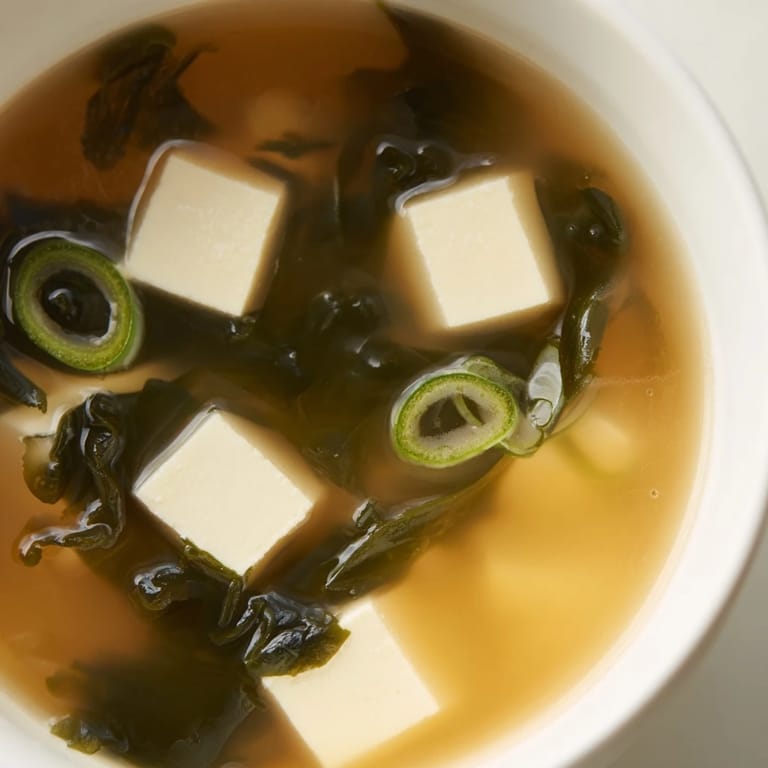
Save The steam curling up from my bowl on a rainy Tuesday in Tokyo taught me everything I needed to know about comfort food. I was shivering in a tiny ramen shop when the owner placed this miso soup in front of me, his weathered hands steady despite the lunch rush. That first sip warmed me from the inside out, the kind of gentle healing that only Japanese cooking seems to understand. Now whenever the weather turns gray, my kitchen fills with that same savory aroma and I know everything will be okay.
Last winter my partner came down with a terrible flu and nothing seemed appealing until I made a pot of this. She sat wrapped in a blanket on the couch, blowing on each spoonful with that slow deliberation that comes from being truly exhausted. By the time she reached the bottom of the bowl, color had returned to her cheeks and she asked for seconds. That is when I knew this was more than just soup, it was medicine in the most comforting form possible.
Ingredients
- 8 g dried wakame seaweed: This expands dramatically when rehydrated so do not be alarmed by the small amount, it transforms into silky ribbons that melt in your mouth
- 4 cups dashi stock: The foundation of Japanese cooking, use vegetarian kombu dashi for a plant-based version or traditional bonito for deeper umami
- 100 g silken or firm tofu: Silken creates delicate clouds while firm holds its shape better, both work beautifully here
- 2 scallions: Fresh green onions add a sharp bright contrast to the earthy broth
- 2 tbsp white miso paste: White miso is milder and sweeter than red, perfect for a delicate soup that does not overpower
- 1 tsp soy sauce: Just enough to deepen the flavor without making it too salty
- 1 tsp sesame oil: This optional finish adds a wonderful nutty aroma that lingers beautifully
Tired of Takeout? 🥡
Get 10 meals you can make faster than delivery arrives. Seriously.
One email. No spam. Unsubscribe anytime.
Instructions
- Wake Up the Wakame:
- Place the dried seaweed in a small bowl with cold water and watch it plump up over 5 minutes until it is tender and vibrant green, then drain it well.
- Warm the Dashi:
- Pour your dashi stock into a medium saucepan and bring it to a gentle bubble, not a rolling boil, just enough to release its savory fragrance.
- Add the Good Stuff:
- Gently slide in your tofu cubes and the rehydrated wakame, letting them swim together for just 2 to 3 minutes so everything gets acquainted.
- Melt the Miso:
- Fish out a ladleful of hot broth and whisk your miso paste into it until completely smooth, this prevents clumps and makes incorporating it back into the soup effortless.
- Finish with Finesse:
- Pour the miso mixture back into the pot, add your soy sauce and sesame oil if using, then let everything heat through for one final minute without letting it reach a boil.
- Garnish and Serve:
- Ladle into bowls immediately and scatter those fresh scallion slices on top while the steam is still rising.
 Save
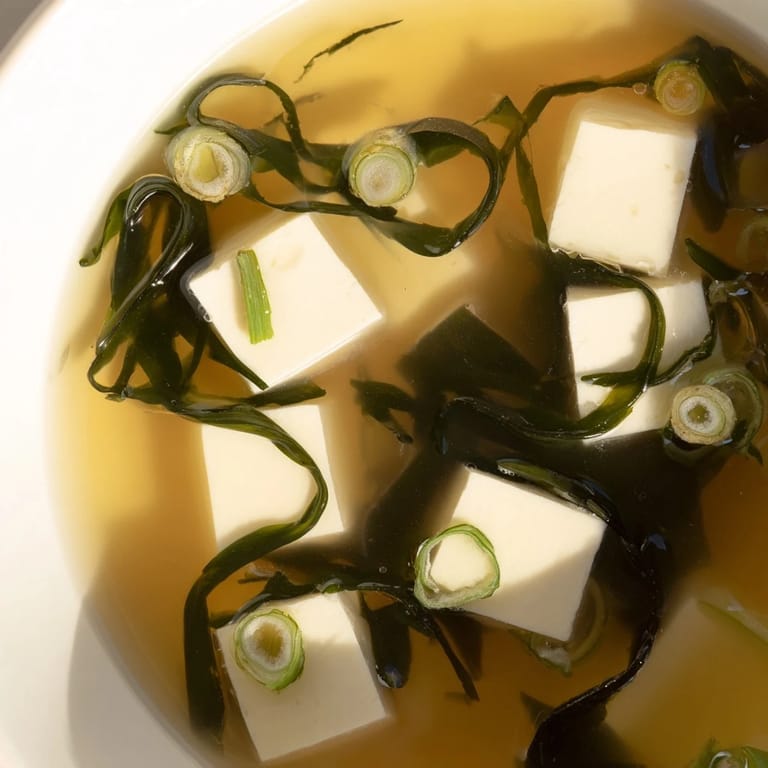
Save My neighbor Mrs. Tanaka caught me adding miso to boiling soup once and actually gasped, rushing over to gently take the wooden spoon from my hand. She taught me that miso is alive and needs respect, that whisking it separately is the secret to keeping its sweet earthy flavor intact. Now I think of her every time I stand at the counter, dissolving that paste into hot broth with the same care she showed me on that sunny afternoon.
Choosing the Right Miso
White miso ferments for less time than darker varieties, giving it a milder sweetness that works beautifully in delicate soups like this. The longer fermentation of red miso creates an intense flavor that can overwhelm the gentle seaweed and tofu. If you can only find red miso, use about half the amount called for in the recipe.
Making Your Own Dashi
Store bought dashi is convenient, but making your own from kombu seaweed transforms this soup into something extraordinary. Simply soak a piece of kombu in cold water overnight, then slowly heat the water until just before boiling point and remove the kelp. The resulting stock has a clean pure flavor that homemade dashi powder cannot replicate.
Building a Complete Bowl
This soup shines as part of a traditional Japanese meal where multiple dishes share the table. A simple bowl of steamed rice, some quick pickled vegetables, and perhaps a small portion of grilled fish turn this light soup into a satisfying dinner. The contrast between temperatures and textures is what makes Japanese home cooking feel so balanced and thoughtful.
- Leftover soup keeps beautifully for 2 days in the refrigerator but the tofu will absorb more miso flavor over time
- Reheat gently over low heat, never boiling, to preserve the miso is beneficial properties
- Add fresh wakame when reheating if you prefer it to have more texture
 Save
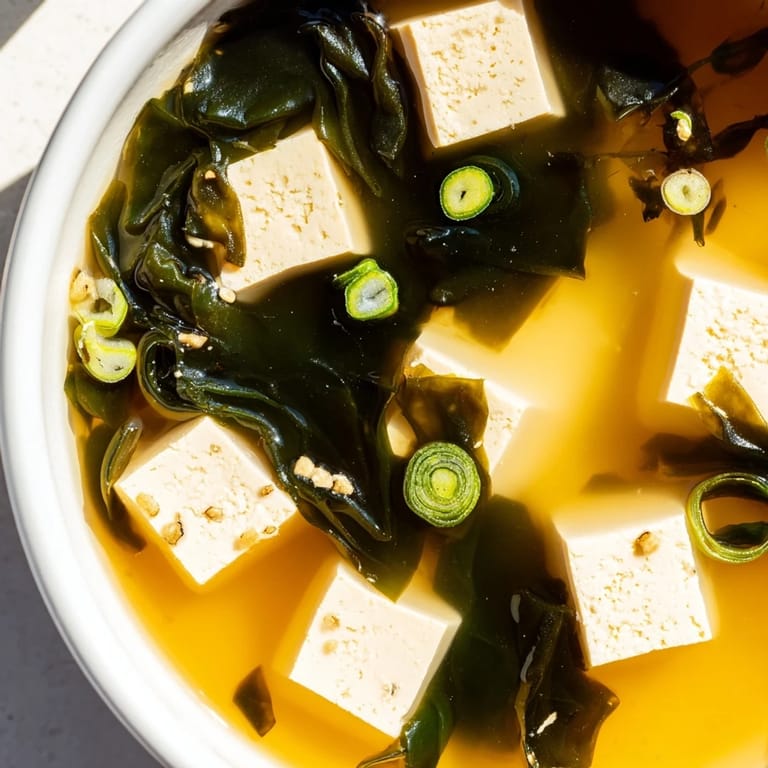
Save There is something profoundly grounding about a bowl of soup that nourishes without weighing you down. Let this simple recipe be your go to comfort on days when you need warmth more than anything else.
Recipe Help & FAQs
- → How do I prepare dried wakame seaweed?
Soak dried wakame in cold water for 5 minutes until it expands and becomes tender. Drain well before adding to the simmering broth. The seaweed will rehydrate to about 3-4 times its dried volume.
- → Can I make this soup vegan?
Yes, use kombu and shiitake mushroom dashi instead of traditional fish-based dashi. Ensure your miso paste does not contain bonito flakes, and verify all ingredients are plant-based.
- → Why shouldn't I boil miso paste?
Boiling miso destroys its beneficial enzymes and probiotics, and can make the flavor bitter. Always dissolve miso in a separate bowl with hot broth first, then stir it into the soup after removing from heat.
- → What vegetables can I add to wakame soup?
Sliced mushrooms, spinach, carrots, or daikon radish make excellent additions. Add heartier vegetables like carrots during the simmering stage, while delicate greens like spinach should be added in the final minute.
- → How long does leftover soup keep?
Store in an airtight container in the refrigerator for up to 2-3 days. Reheat gently over low heat without boiling to preserve the miso's beneficial properties. The tofu and seaweed may soften slightly upon storage.
- → Is wakame soup gluten-free?
Naturally yes, but verify your dashi, soy sauce, and miso are certified gluten-free. Traditional Japanese soy sauce contains wheat, so choose tamari or a gluten-free alternative if needed.