 Save
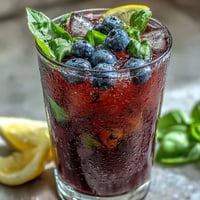
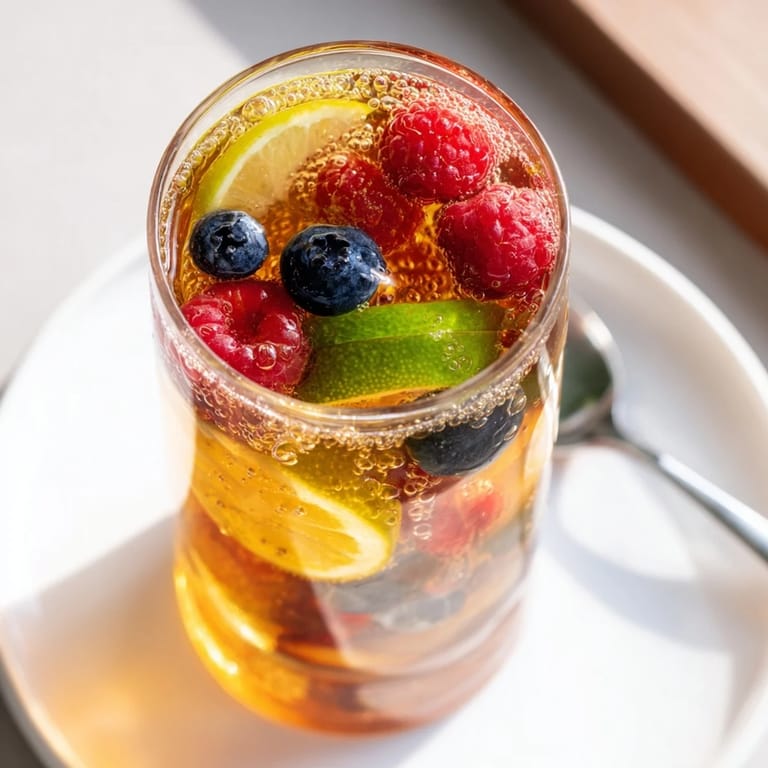
Save A refreshing collection of naturally fermented beverages inspired by kombucha, perfect for enjoying as healthy, alcohol-free mocktails with complex flavors and gentle fizz.
I first experimented with homemade kombucha-style mocktails to offer my family a fun and fizzy beverage without added processed ingredients. Each batch has become a delightful ritual, sparking creative flavor combinations and excitement in our kitchen.
Ingredients
- Filtered water: 2 liters
- Black or green tea bags (or loose-leaf tea): 8 tea bags or 2 tablespoons loose-leaf tea
- Granulated sugar: 200 g (1 cup)
- Kombucha SCOBY (Symbiotic Culture Of Bacteria and Yeast), or starter drink: 1 SCOBY or 200 ml unflavored store-bought kombucha
- Fresh berries: 100 g (choose raspberries, blueberries, strawberries)
- Lemon or lime: Thinly sliced, 1 fruit
- Fresh ginger: 1 small knob, sliced
- Fresh mint or basil: 1 sprig
- Fruit juice: 2 tablespoons (example: pomegranate, cherry, apple)
- Dried hibiscus petals: 1 tablespoon
- Cinnamon stick or whole cloves: 1 stick or 3 whole cloves
Tired of Takeout? 🥡
Get 10 meals you can make faster than delivery arrives. Seriously.
One email. No spam. Unsubscribe anytime.
Instructions
- Brew the tea:
- Boil 2 liters of filtered water. Add tea bags or loose-leaf tea and steep for 10 minutes. Remove tea bags or strain out leaves.
- Add sugar:
- While the tea is hot, stir in the sugar until fully dissolved. Let the sweetened tea cool to room temperature (important: hot liquid can kill the SCOBY).
- Combine and ferment:
- Pour the cooled sweet tea into a large, clean glass jar. Add the SCOBY and starter liquid (or store-bought kombucha).
- Initial fermentation:
- Cover the jar with a clean cloth or paper towel secured with a rubber band. Store at room temperature, away from direct sunlight, for 5–7 days.
- Check and taste:
- After 5 days, taste your brew daily. When it is tangy and slightly fizzy (but not overly sour), it is ready for the next step.
- Flavor and bottle:
- Remove the SCOBY and 200 ml of kombucha to use as starter for your next batch. Add your chosen fruits, herbs, or spices to the kombucha.
- Bottle and ferment for carbonation:
- Pour into clean bottles, leaving about 2–3 cm headspace. Seal tightly. Ferment at room temperature for 1–3 more days for extra carbonation.
- Refrigerate:
- After desired carbonation is reached, refrigerate bottles. Strain out solid flavorings before serving.
 Save
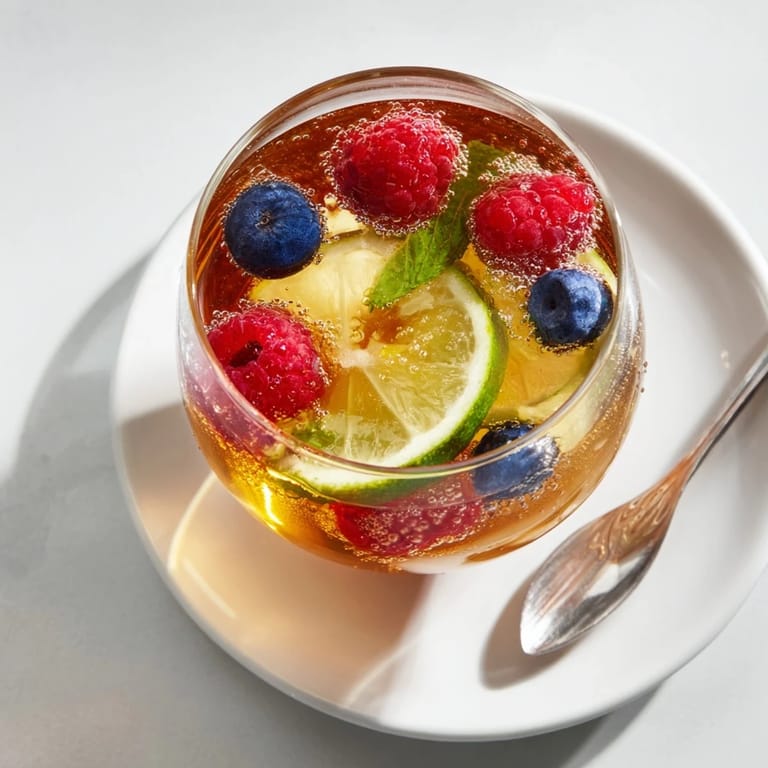
Save When my kids help pick flavor additions and watch the fizzing bottles, it feels like a special project that brings us together and teaches patience as we wait for the bubbles to develop.
Required Tools
Large glass jar, fine mesh strainer, funnel, clean glass bottles with tight lids, and measuring cups and spoons are all you need to get started on a batch at home.
Allergen Information
Contains caffeine from tea. May contain traces of gluten if using flavored teas; choose certified gluten-free tea if needed. Possible cross-contamination with nuts or other allergens if adding flavorings; check all labels for safety.
Nutritional Information (per serving)
Calories: 45. Total Fat: 0 g. Carbohydrates: 11 g. Protein: 0 g.
 Save
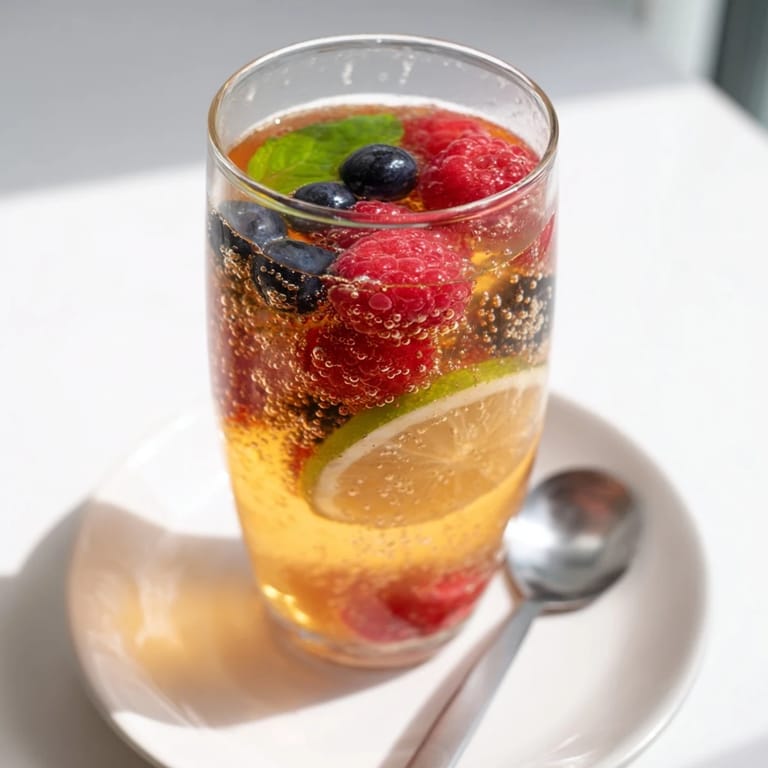
Save Enjoy your homemade kombucha-style mocktails chilled for a fun and nourishing refreshment. These drinks bring a gentle fizz and a world of flavor to any occasion.
Recipe Help & FAQs
- → What type of tea should I use for the base?
Black or green tea works best for fermenting, either as tea bags or loose-leaf, to provide the ideal flavor and nutrients.
- → How long does the fermentation take?
The main fermentation lasts 5–7 days, with a second ferment of 1–3 days for extra fizziness after bottling.
- → Can I customize the flavor?
Absolutely! Choose your favorite fruits, herbs, and spices like berries, ginger, mint, or cinnamon to create unique blends.
- → Is this beverage vegan and gluten-free?
This drink is vegan and gluten-free if you use certified gluten-free tea and check all flavoring ingredients for allergen safety.
- → What tools do I need for brewing?
You’ll need a large glass jar, fine mesh strainer, funnel, glass bottles with tight lids, and measuring cups and spoons.
- → How do I achieve more fizz in my drink?
After adding flavorings, a second fermentation in sealed bottles at room temperature for a few days increases carbonation.