 Save
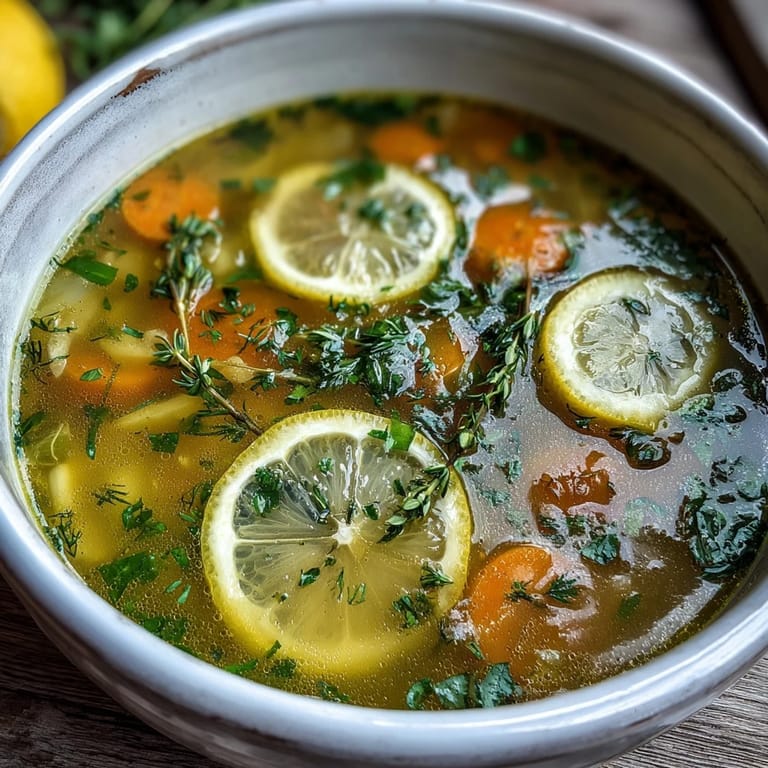
Save My neighbor knocked on the door one afternoon with a handful of fresh herbs from her garden, insisting I do something with them before they wilted. I had half a lemon sitting on the counter and a moment of quiet, so I started chopping. What emerged from that pot was this luminous, golden soup that somehow tasted like spring even though it was already fall. It became the kind of dish I reach for when I need something that feels both nourishing and alive.
I made this soup for my sister when she was recovering from being under the weather, and watching her take that first spoonful and actually smile made me realize how much food can matter beyond just filling your stomach. She asked for the recipe the next day and has been making it ever since, which feels like a small win.
Ingredients
- Olive oil: Use a good quality extra virgin oil, but don't waste the expensive stuff on the initial sauté—save it for drizzling at the end where you'll actually taste it.
- Onion, garlic, carrots, and celery: These form the aromatic base that every good soup needs, so don't rush chopping them or skip any of it.
- Vegetable broth: Low sodium is genuinely better here because you're adding bright flavors that salt would compete with, and it lets the lemon shine.
- Lemon zest and juice: The zest is where the real citrus magic lives, so zest that lemon generously before juicing it or you'll regret it.
- Fresh parsley, dill, chives, and thyme: These herbs are the whole point of this soup, so use fresh ones if you possibly can—dried herbs will make it taste like a different thing entirely.
- Cooked rice or orzo: Optional, but it turns this from a light appetizer soup into something you could actually serve as a main course.
- Salt and black pepper: Wait until the very end to season because the lemon juice and herbs can taste different depending on how much salt they're sitting with.
Tired of Takeout? 🥡
Get 10 meals you can make faster than delivery arrives. Seriously.
One email. No spam. Unsubscribe anytime.
Instructions
- Warm the base:
- Heat your olive oil over medium heat and let it shimmer just slightly before adding the onion. You'll know it's ready when the smell hits you—that's when the onion will soften into something sweet instead of just staying sharp and raw.
- Build the flavor:
- Once the onion turns translucent, add the garlic, carrots, and celery together and let them sauté for about five minutes. The kitchen will smell incredible, which is a sign you're doing this right.
- Add the broth:
- Pour in your vegetable broth and bring the whole thing to a boil, then drop the heat down and let it simmer gently for ten minutes. This is when you can step back and breathe a little because the hard part is done.
- Introduce the brightness:
- Stir in the lemon zest first, then the juice, followed by all your fresh herbs and thyme. The soup will suddenly look like it has flecks of actual sunlight in it, and it'll smell like you know what you're doing.
- Finish strong:
- If you're using rice or orzo, add it now and let everything warm through for just a couple of minutes. Taste it before you season because the lemon might already have done most of the seasoning work for you.
 Save
Save There's something almost meditative about making this soup, the way you go from having individual ingredients scattered across the counter to holding a pot of something golden that tastes like care. It's the kind of dish that makes you feel capable in the kitchen without demanding anything difficult from you.
The Power of Fresh Herbs in Simple Dishes
When a soup has this few ingredients, each one carries real weight, and the herbs are where the personality lives. Fresh herbs aren't a garnish here—they're the whole reason this soup tastes like something worth making. I learned this the hard way when I tried to make it with dried herbs once and ended up with something that tasted more like a health food experiment than actual food.
Why Lemon Works So Well
Lemon is one of those ingredients that makes everything taste more like itself, which is why restaurants use it constantly and home cooks sometimes forget about it. It doesn't make things taste lemony, it just makes everything brighter and more present. The zest especially has this concentrated citrus flavor that juice alone can't deliver, and using both together is what makes this soup feel sophisticated without trying.
Serving and Variations
This soup is honest enough to serve as is, but it also plays well with other things if you want to turn it into a meal. You can add shredded cooked chicken if you want protein, or serve it alongside crusty bread and a simple salad. The basic soup is so clean tasting that it becomes a canvas you can work with depending on what you're hungry for and what's actually in your kitchen.
- If you have basil instead of dill, use that—the soup is flexible and will taste right no matter which fresh herbs you choose.
- Make it ahead and refrigerate it, then gently reheat and add fresh herbs right before serving so they stay bright and green.
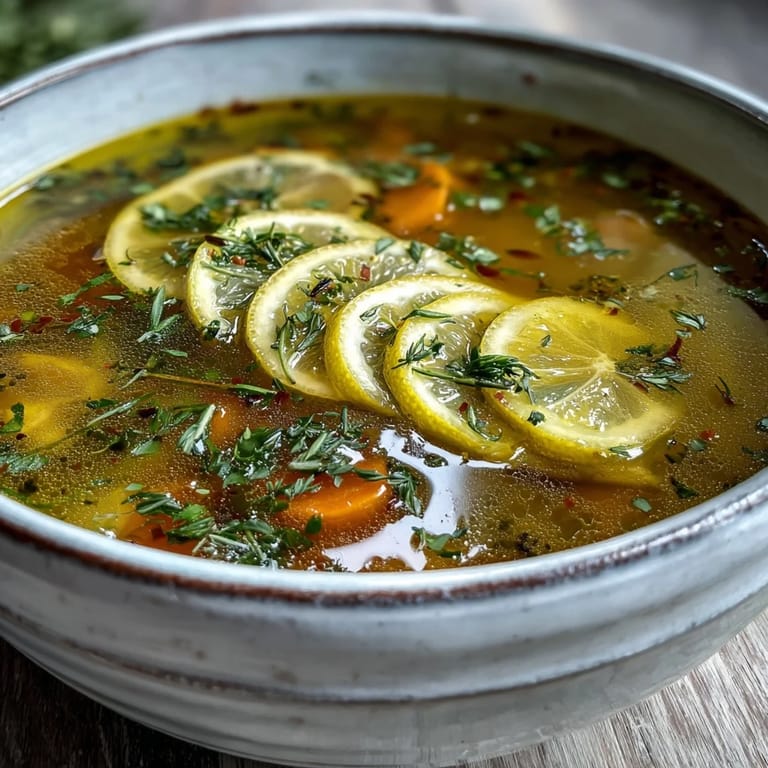
- A swirl of good olive oil and a few lemon slices on top make it look like you actually tried, which is always nice.
 Save
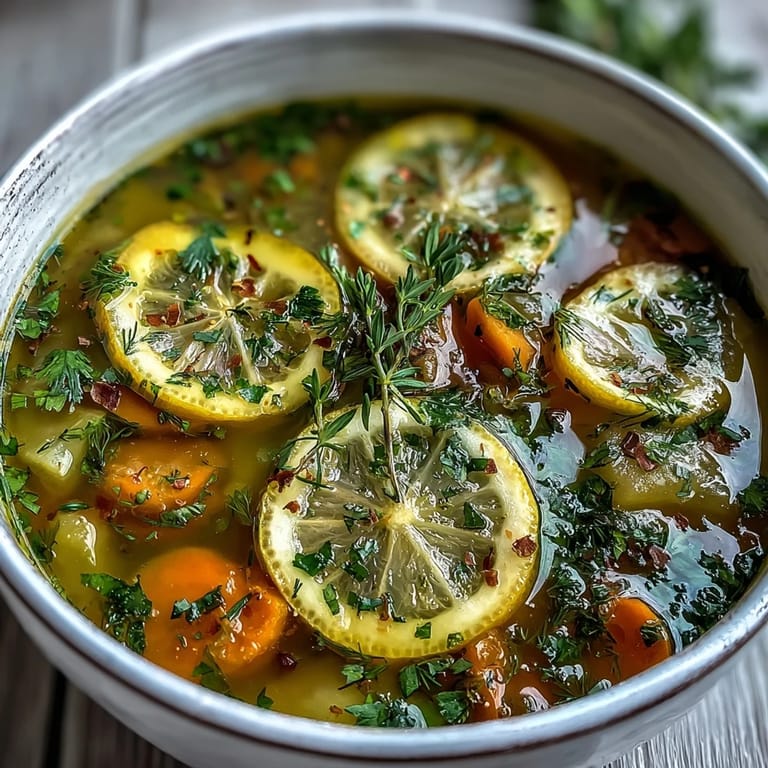
Save This soup has a way of showing up when you need something light but substantial, something that tastes fresh without being difficult. Make it whenever you have good herbs and a lemon on hand, and it'll be ready in the time it takes to wonder what's actually worth cooking.
Recipe Help & FAQs
- → What makes this soup Mediterranean?
The combination of fresh herbs like parsley, dill, and thyme with bright lemon flavors reflects classic Mediterranean cooking traditions that emphasize fresh, aromatic ingredients.
- → Can I make this soup ahead of time?
Yes, this soup reheats beautifully. Store it in an airtight container in the refrigerator for up to 3 days. Add fresh herbs and a squeeze of lemon when reheating for brightest flavor.
- → Is this soup suitable for freezing?
Freeze without the optional rice or orzo for best results. The soup keeps well in the freezer for up to 3 months. Thaw overnight in the refrigerator before reheating.
- → How can I add more protein?
Stir in shredded cooked chicken during the final few minutes, or add white beans like cannellini when simmering. Both options complement the citrus-herb profile beautifully.
- → What herbs work best as substitutes?
Basil or tarragon can replace dill or chives for a different flavor profile. Fresh oregano also pairs wonderfully with lemon in this Mediterranean-style soup.