 Save
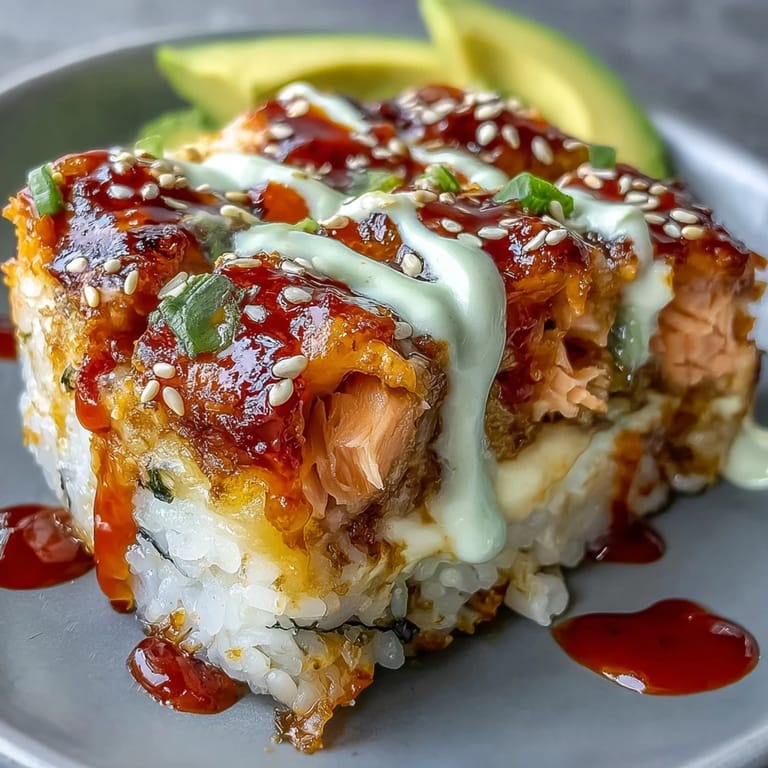
Save The first time I saw this bubbling out of someone's oven, I honestly thought they'd lost their mind. Deconstructed sushi? In a casserole dish? But one bite changed everything. Now it's the dish my friends actually beg me to bring to gatherings, and I've learned that sometimes the most unconventional ideas become the ones we can't imagine living without.
Last winter, my sister and I spent a solid three hours perfecting this recipe while snow piled up outside the windows. We made six versions, adjusting the spice level and rice seasoning until our taste buds were practically vibrating. Now it's become our snow day tradition, the kind of meal that makes you forget about the weather outside completely.
Ingredients
- 2 cups sushi rice: Short-grain rice is non-negotiable here. Long-grain won't give you that sticky, clingy texture that makes sushi rice so perfect for soaking up flavors.
- 2 1/2 cups water: The ratio matters. Too little water and you'll have crunchy rice. Too much and you've got mush.
- 3 tablespoons rice vinegar: This is what gives sushi rice its characteristic tang and helps the grains separate just enough.
- 2 tablespoons sugar: Balances the vinegar's sharpness. Don't skip it.
- 1 teaspoon salt: Enhances all the other flavors and seasons the rice from within.
- 450 g (1 lb) skinless salmon fillet: I've found that buying a whole fillet and flaking it yourself gives you better texture control than pre-ground salmon.
- 1 tablespoon neutral oil: Keeps the salmon from drying out in the oven. Canola or vegetable oil both work perfectly.
- 1/2 cup mayonnaise (preferably Kewpie): Kewpie mayo has a richer, more savory flavor than American mayo. If you can find it, it's worth the extra effort.
- 2-3 tablespoons sriracha sauce: Start with less if you're heat-sensitive. You can always add more, but you can't take it back.
- 1 tablespoon soy sauce: Adds that essential umami depth that makes everything taste more like itself.
- 2 teaspoons toasted sesame oil: A little goes a long way. This is your finish line flavor.
- 1 tablespoon finely chopped green onion: Fresh bite against all that creamy richness.
- 1 sheet nori, crumbled: Don't be tempted to skip this. That ocean flavor is what makes it taste like sushi instead of just fish and rice.
- 1/2 cup shredded mozzarella cheese: Totally optional but creates the most incredible bubbly, golden crust on top.
- 1 tablespoon toasted sesame seeds: Nutty crunch that makes every bite interesting.
- 1 avocado, sliced: Cool creaminess to balance the heat.
- 3 sheets roasted seaweed snacks: These become your edible spoons. Don't skip them.
Tired of Takeout? 🥡
Get 10 meals you can make faster than delivery arrives. Seriously.
One email. No spam. Unsubscribe anytime.
Instructions
- Prepare the rice foundation:
- Rinse your sushi rice in cold water until it runs clear. Usually takes about 3-4 changes of water. Combine with 2 1/2 cups water in your rice cooker or pot. Cook until perfectly tender.
- Season while warm:
- Whisk rice vinegar, sugar, and salt in a small saucepan over gentle heat until dissolved. Pour over your hot rice and fold it in gently. Let it cool until it's warm but not hot to the touch.
- Cook the salmon:
- Preheat that oven to 200°C (400°F). Lay your salmon on a parchment-lined baking sheet, brush with neutral oil, and bake for 12-15 minutes until it flakes easily. Let it cool slightly.
- Make the spicy mixture:
- Flake that salmon into a mixing bowl. Add mayonnaise, sriracha, soy sauce, sesame oil, and green onions. Mix until everything's well blended and you can't wait to eat it.
- Layer it up:
- Give a 9x9-inch baking dish a quick coating of oil. Spread your seasoned rice across the bottom like you're tucking it in for a nap. Sprinkle crumbled nori over the rice.
- Build the topping:
- Pile that spicy salmon mixture over the rice. If you're using mozzarella, scatter it across the top now. This is where the magic happens.
- Bake until bubbly:
- Slide it into your preheated oven for 10-12 minutes. You want everything heated through and if you used cheese, it should be melted and bubbling with golden spots.
- Finish with flair:
- Let it rest for 5 minutes. This is crucial. Sprinkle with sesame seeds, arrange those avocado slices, and drizzle with extra sriracha and mayo.
- Scoop and serve:
- Serve it warm, scooped onto those roasted seaweed snacks. Watch it disappear faster than you thought possible.
 Save
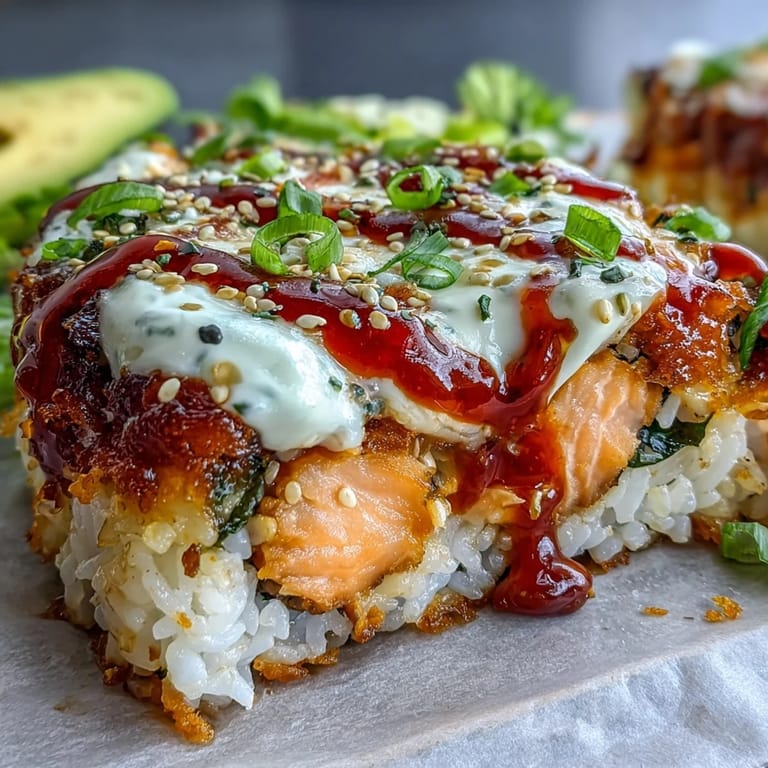
Save My roommate walked in while I was photographing this once, took one look at the casserole dish, and asked why I was making 'that trendy TikTok thing.' By the time she left, she'd eaten three servings and was asking for the recipe. Now she makes it for her own friends, and I like to think I'm responsible for a whole network of sushi bake converts.
Making It Your Own
The beauty of this dish is how forgiving it is. I've made it with crab instead of salmon, added cucumber for crunch, and even thrown in some pickled radish when I had it on hand. Each version feels like a discovery.
The Rice Secret
After dozens of batches, I've learned that the rice seasoning is what makes or breaks this dish. Too little and it's bland. Too much and it's overwhelming. The sweet spot is right in that tablespoon range, where every grain is perfectly coated but not drowning.
Pairing Perfection
Cold sake cuts through the richness beautifully. A crisp white wine works just as well if you're not into sake. The key is something cold and refreshing to balance that warm, spicy, creamy goodness.
- Make extra rice mixture if you're feeding a crowd
- Have those seaweed snacks ready before you start eating
- This reheats surprisingly well for lunch the next day
 Save
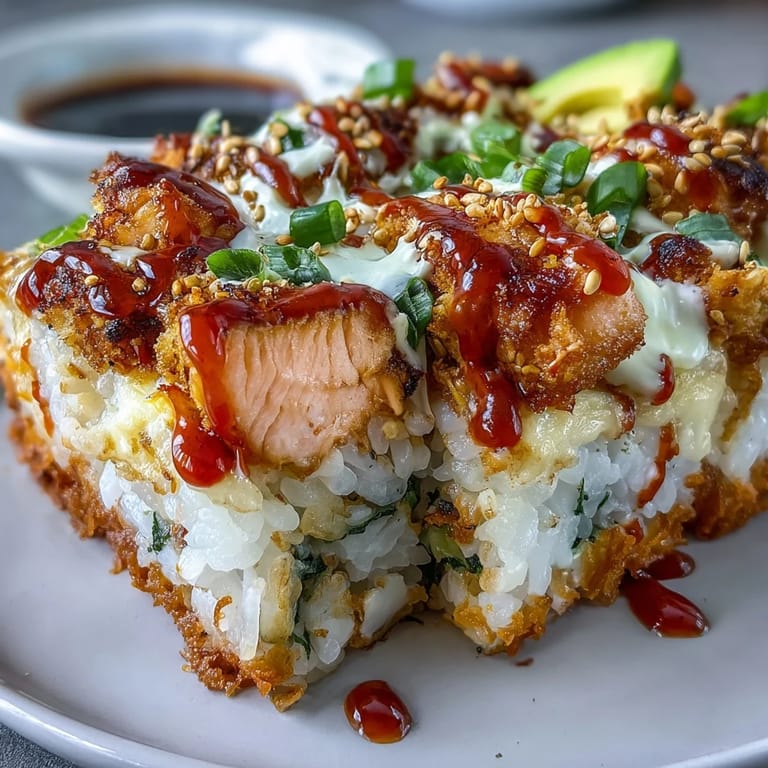
Save There's something almost magical about taking something as precise and traditional as sushi and turning it into this warm, communal dish that everyone digs into together. Sometimes breaking the rules leads to the best discoveries.
Recipe Help & FAQs
- → Can I prepare elements of this dish in advance?
Yes, you can cook and season the sushi rice ahead of time and store it in the refrigerator. The salmon can also be baked, flaked, and mixed with its sauces a day before assembly. This makes for quick preparation on the day you plan to serve it.
- → What's the ideal type of salmon to use?
A skinless salmon fillet is recommended for this dish. Any variety like Atlantic or Sockeye will work well. Ensure it's fresh and of good quality for the best flavor and texture after baking.
- → How can I adjust the level of spiciness?
The heat primarily comes from the sriracha sauce. You can easily adjust the amount to your preference. Start with less for a milder taste and add more if you enjoy a bolder kick. A little extra sriracha can always be drizzled on top when serving.
- → Are there any suitable substitutions for the main ingredients?
Absolutely! If you prefer, cooked crab meat or imitation crab can be used in place of salmon. For rice, short-grain white rice works if sushi rice is unavailable. Feel free to experiment with different cheeses or add other vegetables like cucumber for extra crunch.
- → What's the best way to enjoy this dish?
It's best served warm, straight from the oven. Scoop portions onto roasted seaweed snacks or nori sheets for a hand-roll experience. It also pairs wonderfully with pickled ginger, a side salad, or a refreshing beverage like cold sake.