 Save
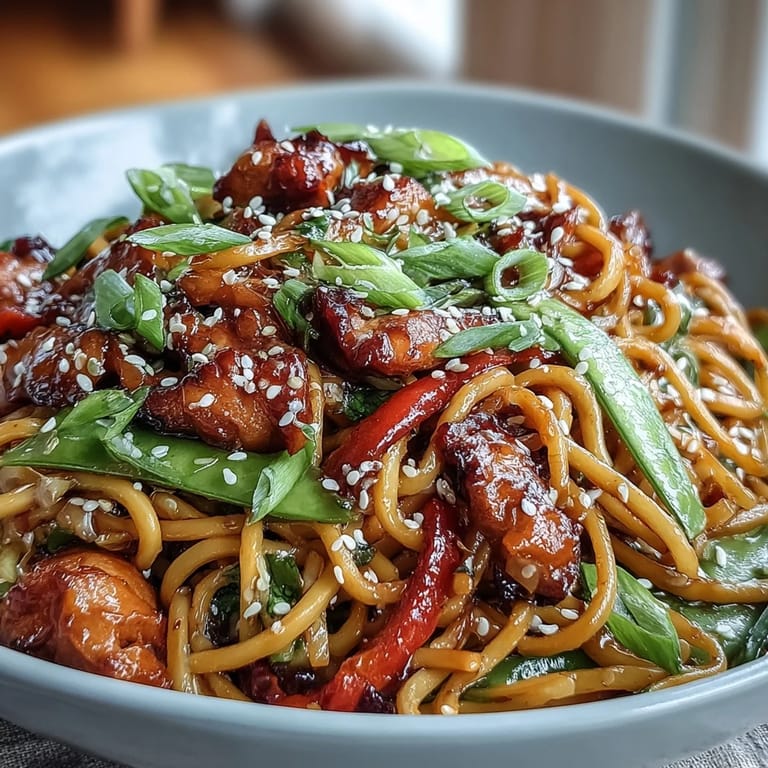
Save My neighbor once challenged me to make dinner in under thirty minutes, and this pork noodle stir-fry became my secret weapon. There's something almost meditative about the rhythm of chopping vegetables and the sizzle of hot oil hitting the wok—it's the kind of dish that feels like you've been cooking all day, but somehow you haven't. The first time I made it, I underestimated how quickly everything comes together, and suddenly I had a restaurant-quality meal plated before my timer even beeped. Now it's my go-to when life gets hectic but my appetite doesn't.
I made this for my sister on a Tuesday evening when she was stressed about work, and watching her face light up at the first bite reminded me why cooking matters. She kept asking for the sauce recipe, convinced I'd added something exotic, but it's just the right balance of pantry staples you probably already own. That night turned into a cooking lesson at my stove, and now she texts me stir-fry updates from her own kitchen.
Ingredients
- Pork loin or tenderloin (400 g), thinly sliced: The thinner you slice it, the faster it cooks and the more tender it stays; I use a slightly frozen pork loin (about 20 minutes in the freezer) because the cold makes slicing cleaner and more consistent.
- Soy sauce for marinade (1 tbsp): This flavors and helps tenderize the pork while the cornstarch creates a light coating that keeps moisture locked in.
- Cornstarch (1 tsp): This is the secret to silky, restaurant-style pork that doesn't dry out in the wok.
- Egg noodles or rice noodles (250 g): Egg noodles give you that chewy, substantial bite, while rice noodles keep things lighter; either works beautifully.
- Red bell pepper and carrot, julienned: Cut them roughly the same thickness so they cook evenly and stay crisp-tender rather than mushy.
- Sugar snap peas (100 g), halved: These add sweetness and a satisfying crunch that balances the savory sauce.
- Spring onions, sliced (2): Add these at the very end so they stay fresh and bright; overcooked spring onions taste limp and lose their personality.
- Garlic and ginger (2 cloves and 1 tbsp fresh): The foundation of the stir-fry's flavor; mince or grate them finely so they distribute evenly and cook quickly.
- Soy sauce (3 tbsp), oyster sauce (2 tbsp), hoisin sauce (1 tbsp): This trio creates a glossy, complex sauce that tastes homemade and intentional, not one-note.
- Sesame oil (1 tsp), brown sugar (1 tsp), water (2 tbsp): Sesame oil adds richness and aroma at the end, while the sugar balances the salt and umami.
- Vegetable oil (2 tbsp): Use an oil with a high smoke point so it can handle the wok's intense heat without breaking down or smoking excessively.
- Sesame seeds and fresh coriander or chili (optional garnish): These finish the dish with texture and visual appeal that makes it feel special even on a busy night.
Tired of Takeout? 🥡
Get 10 meals you can make faster than delivery arrives. Seriously.
One email. No spam. Unsubscribe anytime.
Instructions
- Prep the pork:
- Toss your sliced pork with 1 tablespoon soy sauce and the cornstarch in a bowl, making sure every piece gets coated; this ten-minute rest might feel unnecessary, but it's doing the work that keeps your pork tender and prevents it from turning rubbery in the heat.
- Cook the noodles:
- Boil water and cook your noodles according to the package, but drain them one minute earlier than it suggests because they'll keep cooking in the wok. Spread them on a plate so they don't clump together while you finish the rest.
- Mix your sauce:
- Combine soy sauce, oyster sauce, hoisin, sesame oil, brown sugar, and water in a small bowl; tasting it now (before it hits the heat) helps you understand the flavor balance and catch any adjustments you want to make.
- Sear the pork:
- Get your wok or skillet smoking hot with 1 tablespoon oil, then add the pork in a single layer and resist the urge to stir for the first minute or two—this develops a golden crust that seals in flavor. Once it's browned on the outside, transfer it to a clean plate.
- Stir-fry the vegetables:
- Add the remaining tablespoon of oil to the hot wok, then immediately add your minced garlic and ginger so they perfume the oil. After about thirty seconds, add the bell pepper, carrot, and snap peas, tossing constantly for three to four minutes until they're bright and just beginning to soften at the edges but still snap when you bite them.
- Bring it all together:
- Return the pork to the wok along with the cooked noodles and sauce, tossing everything vigorously for two to three minutes so the noodles soak up all that savory liquid and the heat redistributes evenly. You'll see the sauce go glossy and coat each noodle like it was meant to be there.
- Finish with spring onions:
- Toss in your sliced spring onions right before plating, and remove the wok from heat immediately so they stay fresh and green rather than wilting into submission.
 Save
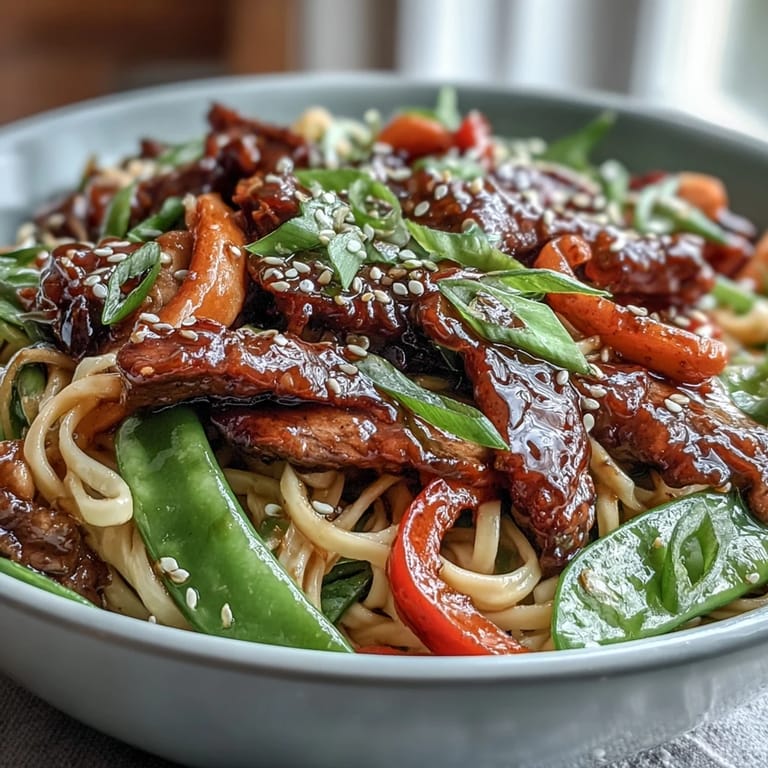
Save This dish has become my litmus test for whether I'm having a good day or a chaotic one—if I can stand at the stove and give this twenty minutes of focused attention, everything else seems manageable. It's taught me that some of the best meals don't require hours of planning or fancy ingredients, just attention and good timing.
The High Heat Secret
The key to restaurant-style stir-fry lives entirely in heat and movement. I learned this the hard way by trying to make stir-fry on a medium burner, which resulted in soft vegetables and pale pork—completely edible, but missing that essential snap and sear. Once I committed to high heat and kept my ingredients moving constantly, the whole dynamic changed. Your wok needs to be hot enough that you hear an immediate aggressive sizzle the moment oil hits it, but not so hot that your garlic burns before anything else cooks.
Vegetable Timing and Texture
I used to throw all the vegetables in at once and end up with some pieces tender while others stayed crunchy and raw. The breakthrough came when I realized that carrots and bell peppers take slightly longer than snap peas, so layering them in with a few seconds between each addition lets everything finish at the same moment. Watching the color brighten as the vegetables cook is your real timer—when they go from dull to vibrant, they're done.
Customization and Substitutions
This recipe welcomes flexibility without losing its identity. Chicken breast works beautifully if pork isn't in your rotation, and tofu gives you a plant-based version that's just as satisfying if you press it well and let it brown properly. You can swap in mushrooms, baby bok choy, or broccoli florets depending on what's fresh or what's hiding in your vegetable drawer.
- Swap the protein based on what you have or prefer, adjusting cooking time slightly for chicken or extending it for thicker pieces.
- If you're avoiding gluten, use tamari instead of soy sauce and check your noodle package; most stir-fries taste just as good with rice noodles or gluten-free varieties.
- The sauce is forgiving; if you like things sweeter, add another half teaspoon of brown sugar, and if you want more heat, slice a red chili and add it with the garlic.
 Save
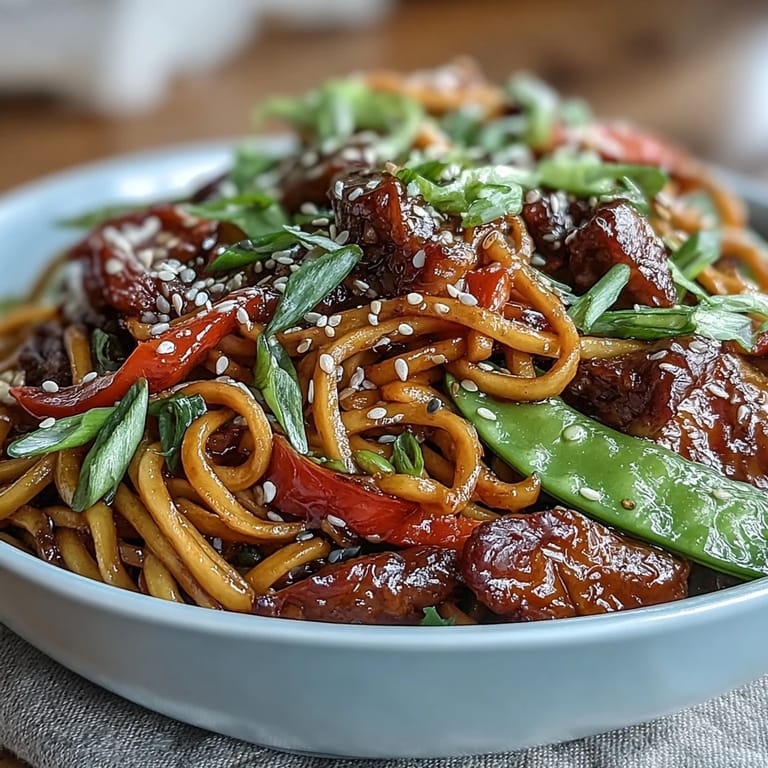
Save This stir-fry has become proof to me that weeknight dinner doesn't have to be a compromise between time and taste. Make it once and you'll understand why it lives in my rotation.
Recipe Help & FAQs
- → Can I use a different protein instead of pork?
Yes, chicken, shrimp, or tofu work beautifully as substitutes. Adjust cooking times accordingly—chicken needs 4-5 minutes, shrimp 2-3 minutes, and tofu should be pre-pressed and pan-fried until golden.
- → What type of noodles work best for this stir-fry?
Egg noodles or rice noodles are both excellent choices. Fresh noodles provide the best texture, but dried noodles work well too. Cook them slightly al dente as they'll continue cooking in the wok.
- → How do I prevent the vegetables from becoming too soft?
Keep the heat high and stir-fry quickly. Cut vegetables uniformly so they cook evenly, and avoid overcrowding the wok. The vegetables should remain crisp-tender with a slight crunch.
- → Can I make this dish gluten-free?
Absolutely. Use tamari instead of soy sauce, rice noodles, and check that your oyster sauce is gluten-free or substitute with a gluten-free alternative. Many Asian sauces now offer gluten-free versions.
- → How do I store and reheat leftovers?
Store in an airtight container in the refrigerator for up to 3 days. Reheat in a hot wok or skillet with a splash of water to prevent drying out. Microwave reheating is possible but may soften the vegetables further.
- → What can I serve alongside this stir-fry?
This dish is complete on its own, but pairs wonderfully with steamed edamame, Asian-style cucumber salad, or spring rolls as appetizers. A crisp Riesling or light lager complements the savory flavors perfectly.