 Save
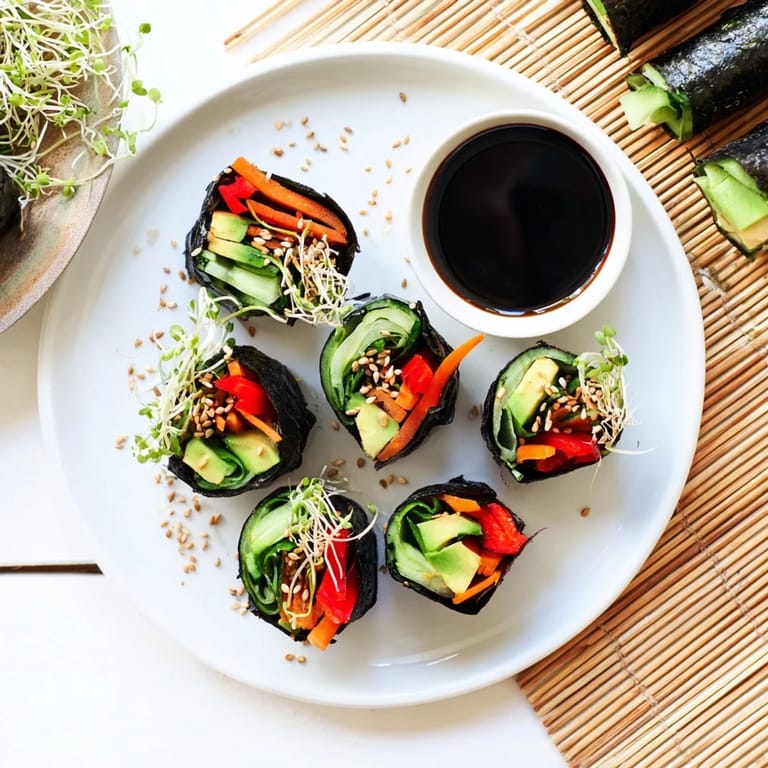
Save The first time I attempted making nori rolls, my kitchen looked like a vegetable explosion had taken place. I'd underestimated how much prep goes into julienning everything, but there was something meditative about lining up all those colorful strips in little bowls. My roommates wandered in, drawn by the sound of the knife against the cutting board, and ended up staying to help assemble the rolls. We made a mess, laughed at our misshapen attempts, and discovered that even the ugliest homemade sushi tastes infinitely better than takeout.
Last summer, I hosted an impromptu dinner party and put out a platter of these vegetable nori rolls as an appetizer. They disappeared faster than anything else on the table, even among friends who swore they didn't like seaweed. Something about the vibrant colors peeking out from the dark nori makes them irresistible, and people love the interactive quality of dipping them into soy sauce. Now they're my go-to when I need something that looks impressive but requires almost no actual cooking.
Ingredients
- 8 sheets nori: The roasted variety has a savory depth that plain seaweed lacks
- 1 medium cucumber: English or Persian cucumbers work best since they have fewer seeds
- 1 ripe avocado: Should give slightly to gentle pressure but not feel mushy
- 1 cup mixed sprouts: Alfalfa adds crunch while radish sprouts bring a peppery kick
- 1 medium carrot: Peel first for the brightest orange color
- 1 small red bell pepper: Creates a beautiful color contrast against the green vegetables
- 2 cups cooked sushi rice: Short-grain rice sticks together better than long-grain varieties
- 2 tablespoons rice vinegar: Essential for that authentic sushi rice flavor
- 1 tablespoon toasted sesame seeds: Toast them in a dry pan for 2 minutes to unlock their nutty aroma
- Soy sauce or tamari: Tamari is a great gluten-free alternative with a slightly richer taste
Tired of Takeout? 🥡
Get 10 meals you can make faster than delivery arrives. Seriously.
One email. No spam. Unsubscribe anytime.
Instructions
- Prep your rice if using:
- Mix the warm cooked rice with rice vinegar and spread it on a baking sheet to cool quickly. Cold rice won't stick properly to the nori sheets.
- Set up your rolling station:
- Place a bamboo mat or clean kitchen towel on your work surface. Have a small bowl of water nearby for sealing the rolls.
- Layer the foundation:
- Lay a nori sheet shiny side down. Spread rice over the bottom third only, leaving the top edge bare for sealing.
- Add your vegetables:
- Arrange cucumber, avocado, sprouts, carrot, and bell pepper in a neat line across the rice. Sprinkle with sesame seeds.
- Roll it up tight:
- Lift the mat edge closest to you and roll over the fillings, applying gentle pressure. Seal with a dab of water on the bare nori edge.
- Slice and serve:
- Use a sharp knife dipped in water to cut each roll into 6 to 8 pieces. Serve immediately with your preferred dipping sauces.
 Save
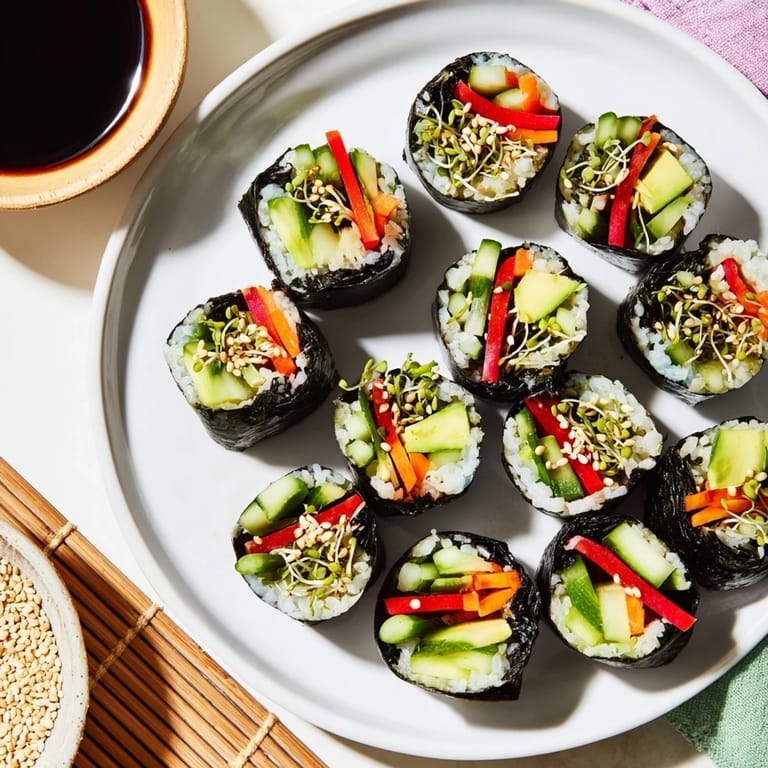
Save These rolls have become my Sunday afternoon project. I'll put on some music, line up all my little vegetable bowls, and lose myself in the rhythm of rolling. There's something deeply satisfying about creating something so beautiful and nourishing with your own hands. My partner now requests them weekly, and I've learned that the simple act of making food together can be just as nourishing as eating it.
Making Without Rice
Sometimes I skip the rice entirely for a lighter, grain-free version. The vegetables carry the roll perfectly on their own, and you can really taste each individual ingredient. I've found this option works beautifully for afternoon snacks when I want something substantial but not heavy.
Protein Additions
Baked tofu strips, marinated mushrooms, or even thin slices of cooked eggplant can transform these from a light snack into a complete meal. I like to marinate my tofu in tamari and sesame oil for at least 30 minutes before rolling. The extra protein keeps me satisfied for hours.
Serving Suggestions
Pair these with a simple miso soup and a side of edamame for a complete Japanese-inspired meal at home. The key is keeping the other dishes just as light and fresh.
- Pickled ginger adds a bright contrast that cuts through the rich vegetables
- A small amount of wasabi goes a long way, so start with less than you think
- Leftovers (if you have any) are best eaten within 24 hours while the vegetables stay crisp
 Save
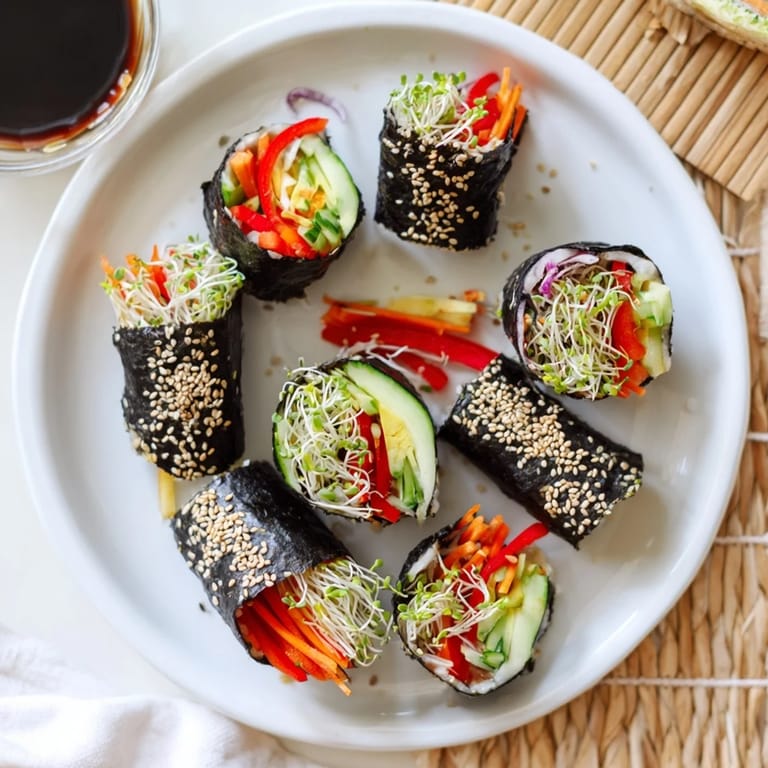
Save There's a quiet confidence that comes from mastering something you once thought only professionals could do. These rolls taught me that good food is less about perfection and more about the care you put into making it.
Recipe Help & FAQs
- → Do I need a bamboo rolling mat?
A bamboo mat helps achieve tight, uniform rolls, but a clean kitchen towel works perfectly. The key is applying gentle, even pressure while rolling to keep the nori sealed around the fillings.
- → Can I make these grain-free?
Absolutely. Simply omit the sushi rice and increase the vegetable filling. The rolls will be lighter and lower in carbohydrates while still delivering satisfying crunch and fresh flavors.
- → How do I prevent the nori from tearing?
Keep your hands slightly damp when handling nori. Spread fillings evenly without overstuffing, and roll firmly but gently. Use a sharp knife moistened with water for clean slicing.
- → What vegetables work best inside?
Crunchy vegetables hold up beautifully—try cucumber, carrot, bell pepper, daikon radish, or snap peas. Soft avocado adds creaminess while sprouts contribute texture. Julienne cuts ensure even rolling.
- → How long do these stay fresh?
These are best enjoyed immediately when the nori remains crisp and vegetables are at their freshest. If storing, wrap tightly in plastic and consume within 24 hours—the nori will soften slightly over time.