 Save
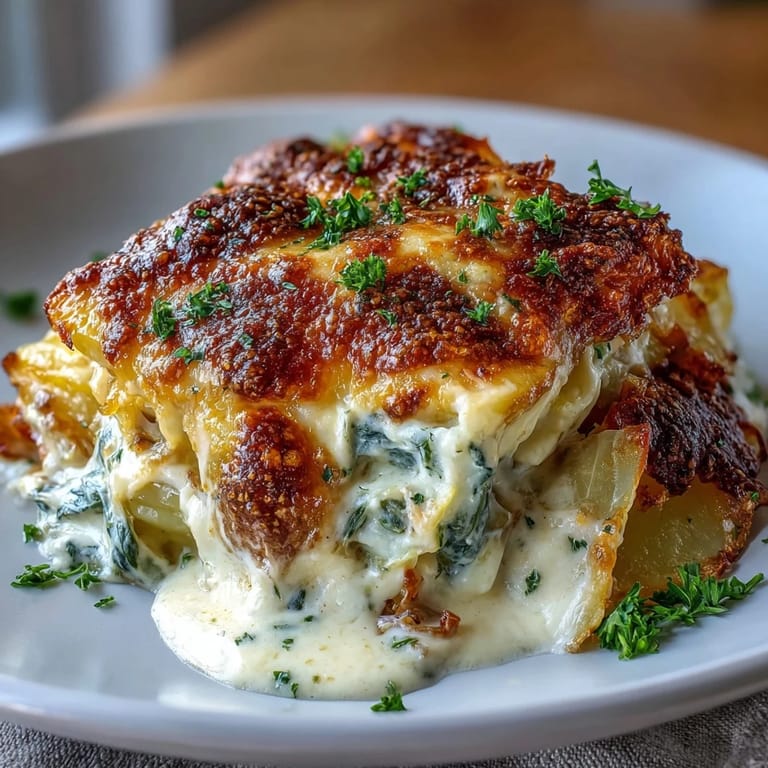
Save Steam from the oven mingled with the scent of garlic and herbs as I pulled this bubbling gratin from the oven, fogging up my glasses in the process. There was a brisk chill outside, and the kitchen felt especially cozy, a soundtrack of veggies sizzling and a hint of nutmeg in the air. The first time I layered cabbage and potatoes for a gratin, it was less about tradition and more about needing something flavorful, substantial, and vegetarian that would please my family on a weeknight. I was surprised how cabbage, so humble and often overlooked, turned meltingly sweet beneath a cloak of creamy cheeses and herbs. The savory crust alone won over my cabbage-wary partner after one forkful.
I remember making this gratin for a late Sunday lunch after a farmer's market haul—friends crowded into the kitchen, laughing as we debated who got to lick the last bits of cheese from the bowl before it went in the sink. There were crumbs all over the counter by the time we ate, and we all agreed that the crunchy edges nearly caused a fork-fight. Even the picky eaters cleaned their plates. It was one of those accidental crowd-pleasers that earned a permanent spot in our recipe rotation. These days, I often make it when I want something to spark those cozy, communal moods.
Ingredients
- Waxy potatoes: Their firm texture holds up during baking, so you get distinct layers instead of a mash—use a mandoline if you can for paper-thin slices.
- Green cabbage: Cabbage gives sweetness and mellows beautifully as it cooks; I like to slice it just thin enough to nestle between the potato layers.
- Yellow onion: For depth and an irresistible savory note; gentle sautéing brings out its natural sweetness.
- Garlic: Don’t skimp—minced garlic blooms in the butter and brings the whole gratin to life.
- Heavy cream: Rich and indulgent, it turns the layers silky; warm it gently with herbs before pouring in to avoid any chill curdling the cheese.
- Gruyère cheese: Melts gloriously and adds nuttiness; if you run out, Emmental or a sharp white cheddar also work well.
- Parmesan cheese: For that sharp, salty finish and golden top.
- Unsalted butter: Sautéing aromatics in butter makes everything taste better, and it helps keep the dish luscious.
- Thyme, parsley, and rosemary: Fresh herbs add brightness—if you use dried, use a light touch as they’re more potent.
- Black pepper, salt, and nutmeg: Seasoning is key; don’t rush or be shy, especially with the pinch of nutmeg for warmth.
- Chili flakes (optional): A tiny hit gives warming background heat—totally up to your mood.
Tired of Takeout? 🥡
Get 10 meals you can make faster than delivery arrives. Seriously.
One email. No spam. Unsubscribe anytime.
Instructions
- Warm up the oven:
- Set your oven to 190°C (375°F) and use a dab of butter to coat a 2-liter (2-quart) baking dish so nothing sticks.
- Sizzle the aromatics:
- Melt butter in a large skillet over medium heat, swirl in the onions and garlic, and let them become fragrant—about 3 minutes, stirring to prevent browning.
- Soften the cabbage:
- Add the shredded cabbage to the skillet with a pinch of salt, pepper, and nutmeg; stir for 5–7 minutes until it wilts and smells faintly sweet.
- Infuse the cream:
- In a small saucepan, warm the cream with thyme, rosemary, and chili flakes (if you dare)—keep the heat low so it never bubbles, just infused and steaming.
- Layer the base:
- Create a foundation by laying half your potato slices at the bottom of the dish, then scatter on half the cabbage-onion mixture.
- First cheese layer:
- Sprinkle with half the Gruyère and Parmesan, letting some fall between the cracks for crispy bits later.
- Repeat those layers:
- Finish layering the rest of the potatoes, then the cabbage mixture, and the remaining cheese on top.
- Add the herbed cream:
- Evenly pour the warm, herb-infused cream over all the layers, pressing down gently to make sure everything settles and soaks in.
- Bake covered:
- Snugly cover the dish with foil and bake for 30 minutes so the steam makes everything tender.
- Bake golden and bubbling:
- Remove the foil and bake another 15–20 minutes: the surface should bubble and show patches of deep gold.
- Rest and garnish:
- Let the gratin sit for 10 minutes to settle, then shower with more chopped parsley before serving up.
 Save
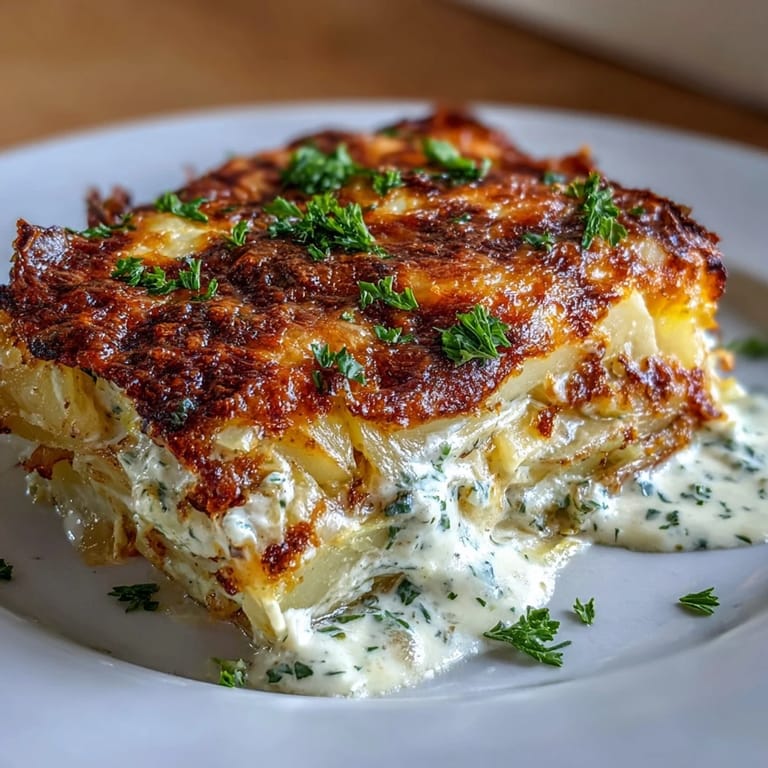
Save One chilly weeknight, we sat huddled around the table, forks clinking, and someone called this gratin the edible equivalent of a wool sweater. I found myself returning to the kitchen later that night for a sneaky cold forkful straight from the baking dish—sometimes good food just becomes comfort in its purest form.
Serving Suggestions That Make a Meal
A wedge of this gratin works wonders alongside a simple green salad for a laid-back lunch, or as a hearty side next to roasted mushrooms or a nutty lentil loaf. Don't be afraid to lean on it as the star of a vegetarian feast, as I often do. I've even topped leftovers with a fried egg and a dash of chili oil to make a quick dinner that tastes oddly elegant. Its savory richness is balanced out beautifully by crisp, tart apples or a splash of white wine on the side.
Kitchen Mishaps Worth Embracing
I’ve lost count of the times the cheese crust stuck stubbornly to the dish because I rushed greasing it. One batch came out with a slightly crisped edge (blame a spilled cup of coffee and a distracted cook), and everyone fought for those caramelized corners. Sometimes, lopsided layers just mean more golden crispy parts—embrace the mess and call it rustic. Waste nothing: even the stuck-on bits scrape up beautifully with a wooden spoon if you soak the pan. Accidental kitchen victories might just be the best kind.
FAQs and Final Touches
People always ask if you can prep this in advance—you can, just assemble and refrigerate, then bake fresh when you’re ready. If you want to swap in red cabbage or sweet potatoes, go for it, though the bake time may change slightly. Reheating is straightforward: a short burst in the oven revives the crust way better than the microwave ever could.
- If your cheese is pre-shredded, toss it with a pinch of cornstarch to help it melt evenly.
- Letting the gratin cool slightly before slicing helps the layers hold up when serving.
- Always taste the cabbage mixture before layering; it’s your last chance to adjust salt.
 Save
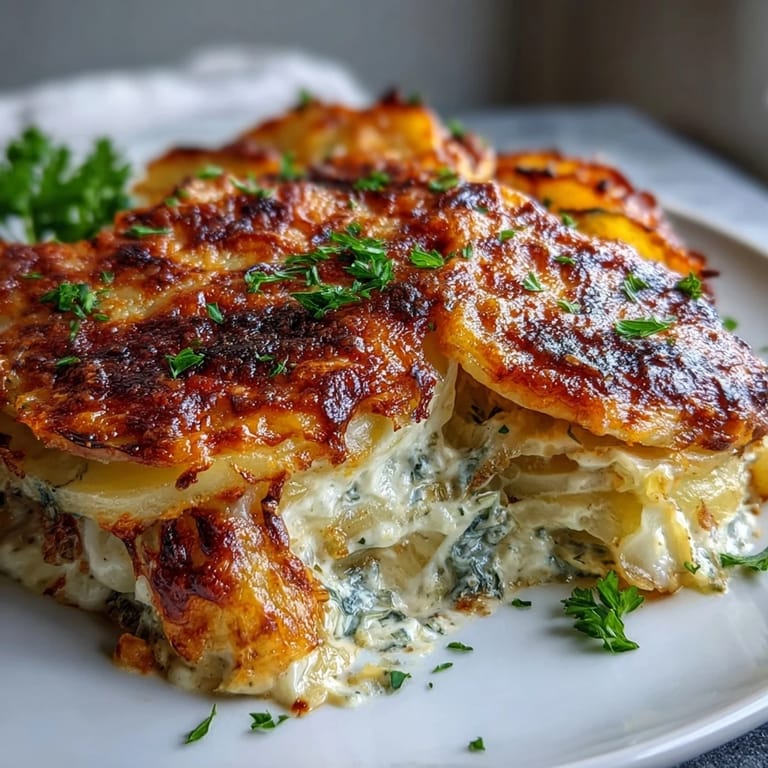
Save Here’s to dishes that make everyone hover around the oven, eager to taste. May your next batch of gratin be every bit as golden and homey as you hope.
Recipe Help & FAQs
- → What type of potatoes work best for this dish?
Waxy potatoes are ideal as they hold their shape well during baking and provide a creamy texture.
- → Can I use other cheeses besides Gruyère and Parmesan?
Yes, Emmental or sharp cheddar are good substitutes and will offer a different but delicious flavor.
- → How can I ensure even cooking of the potatoes?
Using a mandoline slicer to cut potatoes into uniform thin slices helps achieve consistent tenderness.
- → Is it possible to make this dish gluten-free?
Absolutely, as long as the cream and cheeses are confirmed gluten-free, the dish remains suitable for gluten-sensitive diets.
- → What herbs enhance the flavor in this gratin?
Fresh thyme, parsley, and rosemary combined with garlic add fragrant herbaceous notes throughout the layers.
- → Can extra vegetables be added to the gratin?
Yes, sautéed leeks or spinach can be mixed in with the cabbage for added flavor and texture variety.