 Save
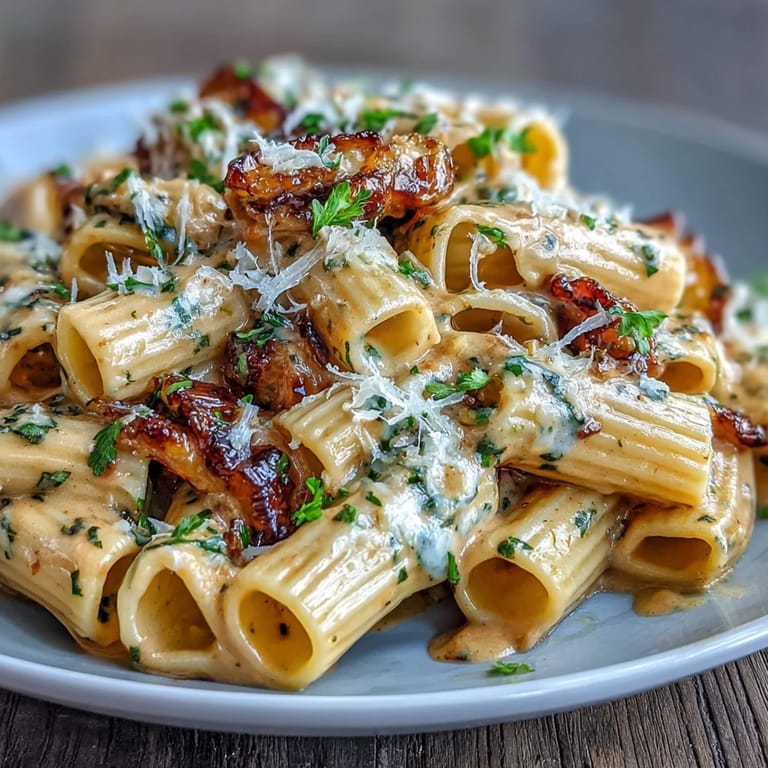
Save The first time I made this viral pink sauce pasta, my kitchen was filled with a tangle of savory aromas: garlic hitting hot olive oil and the tang of tomatoes blending gently into cream. I wasn’t planning to impress anyone—just hunting for comfort after a long Monday, with a playlist quietly crooning in the background. There’s a sort of alchemy in watching that swirl of cream turn vibrant sauce pink, something that feels too cheerful not to lift your spirits. I remember scraping the last bits from the pan, wondering how I’d managed not to discover this colorfully rich sauce sooner.
I invited a couple of friends for dinner on a rainy Tuesday, and we ended up laughing at the table as pink-sauced noodles disappeared. There was something almost festive about it—a shared comfort, a little bit of friendly competition over who could spiral the most pasta onto their fork in one go. That evening, the pink sauce felt more like a secret handshake.
Ingredients
- Pasta: Penne or rigatoni is perfect because the tubes grab up all that luscious sauce no matter how quickly everyone’s digging in.
- Olive oil: I always go for a mild, fruity oil; anything too peppery might overpower the sauce’s gentleness.
- Garlic: Three cloves (not more) keep the flavor punchy but not overwhelming—just be sure not to let it brown.
- Yellow onion: Fine chopping means it melts into the sauce, so you get depth without bites of crunch.
- Canned crushed tomatoes: I tried both chunky and smooth versions; smooth makes for the sleekest pink sauce.
- Dried oregano: Just a teaspoon wakes up the tomatoes—that’s all it really needs.
- Red pepper flakes: Optional, but the hint of heat keeps things interesting; add less if you’re serving kids.
- Sugar: A gentle teaspoon offsets any tinned tomato acidity without making things sweet.
- Salt and black pepper: Don’t be shy; the pasta will soak up plenty of seasoning.
- Heavy cream: Pours in last for that signature blush color—full-fat works best here, no shortcuts.
- Parmesan cheese: Freshly grated melts so much better than anything pre-shredded; it’s worth the small effort.
- Unsalted butter: This gives the sauce a deeply velvety finish you’ll notice after the first bite.
- Fresh basil leaves: They add a pop of brightness and the aroma really finishes the dish.
- Additional parmesan: There’s never been too much parmesan at my table—throw on a little more when serving.
Tired of Takeout? 🥡
Get 10 meals you can make faster than delivery arrives. Seriously.
One email. No spam. Unsubscribe anytime.
Instructions
- Boil your pasta:
- Salt your water like the sea and get your favorite short pasta bubbling—taste often, and stop at just the right al dente texture. Remember to reserve some starchy water before draining; you’ll thank yourself later.
- Start the sauce:
- Warm olive oil in a skillet and listen for the gentle sizzle as onions soften; once translucent, their sweetness tells you it’s time for garlic.
- Add garlic:
- Stir in minced garlic—it’ll go from sharp to mellow in about 30 seconds, releasing its fragrant promise.
- Simmer the tomatoes:
- Pour in the tomatoes, oregano, red pepper flakes, sugar, salt, and pepper, and give everything a good stir. Let it bubble for 7–8 minutes, thickening slightly and filling the kitchen with cozy warmth.
- Blend in the creamy magic:
- Reduce heat then stir in cream, butter, and parmesan; watch as everything turns a gorgeous blush and the spatula leaves pink ribbons in the sauce.
- Add pasta:
- Tumble in the drained pasta and toss generously, adding reserved water a splash at a time until every piece is coated and glossy.
- Serve and garnish:
- Divide onto plates, scatter fresh basil, and finish with clouds of parmesan—then serve up right away for maximum creaminess.
 Save
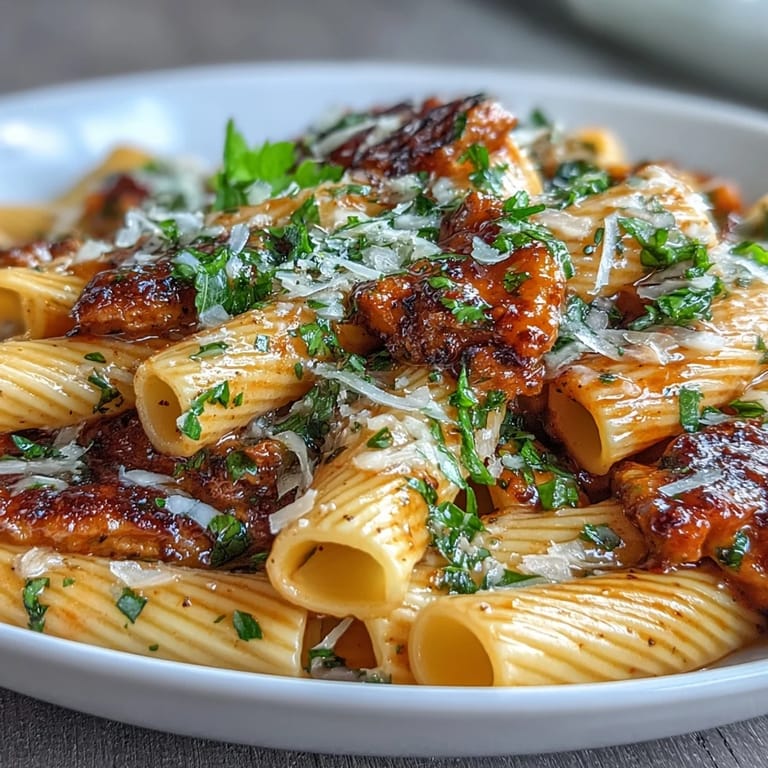
Save The night my sister came home after months abroad, I made this pink sauce pasta to welcome her back. She closed her eyes at the first bite and declared it ‘better than any Italian restaurant’, which has become our little family joke every time I bring it to the table now.
Making It Your Own
I’ve learned that this recipe is practically a blank canvas—throw in roasted veggies when you want to clear the fridge, or swap the shape of pasta for whatever box is open. Sometimes a handful of spinach stirred in at the last minute wilts down beautifully, and nobody has ever complained about that.
Pairing Suggestions Worth Trying
When you want dinner to feel extra-special, serve this pink pasta with garlicky bread still warm from the oven and a tangy green salad. A crisp, light white wine pairs well without overpowering the gentle richness of the sauce.
Troubleshooting Your Pink Sauce
If your sauce ever seems too thick, don’t panic—reserved pasta water smooths everything out with a quick stir, and a splash can even rescue a reheated portion. The parmesan is key for depth; skip the pre-grated stuff and opt for a fresh block whenever possible. Remember, the sauce thickens as it sits, so serve it promptly for that signature silkiness.
- Always taste your sauce before adding the pasta.
- Wait for the sauce to finish before draining the pasta so nothing sticks.
- Chop fresh basil just before serving for best flavor.
 Save
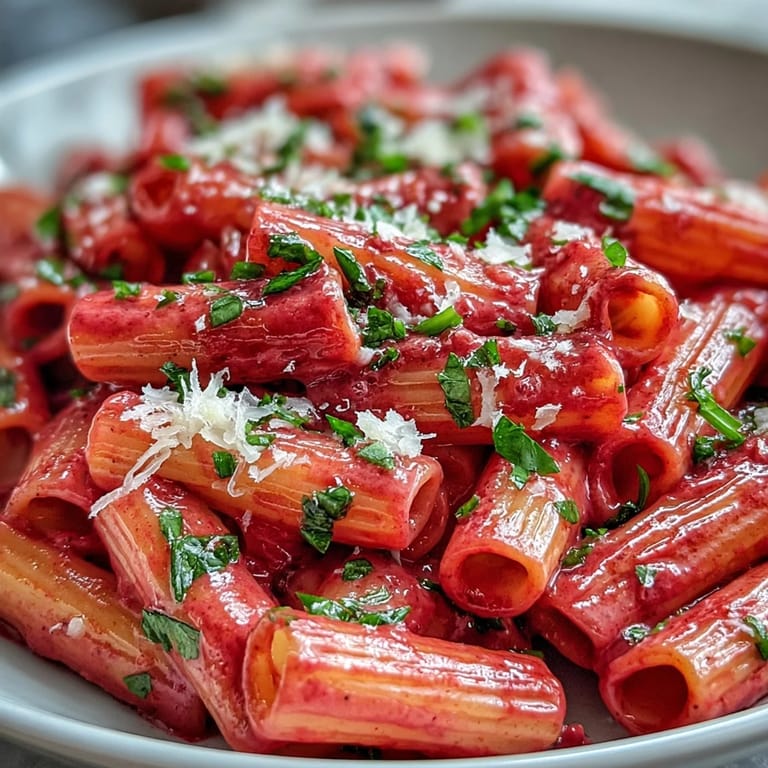
Save No matter how often I make this, the colors and flavors never fail to cheer up the day. Hope this pink sauce pasta brings a little celebration to your table too.
Recipe Help & FAQs
- → How do I keep the sauce silky and not greasy?
Cook the sauce over medium-low heat and stir in cream and parmesan off high heat. Use a splash of reserved pasta water to loosen and emulsify the sauce so it coats the pasta evenly without becoming oily.
- → Which pasta shapes work best with this sauce?
Penne and rigatoni are ideal because their tubes capture the creamy blush sauce. Short ridged shapes help hold bits of cheese and basil for balanced bites.
- → Can I make a dairy-free version that still has richness?
Yes—substitute plant-based cream and a vegan parmesan alternative, and add a touch of vegan butter or olive oil to deepen the mouthfeel. Finish with a sprinkle of nutritional yeast for savory umami.
- → How can I control the heat level?
Adjust the red pepper flakes to taste or omit them entirely for a milder finish. A pinch added while simmering lets the heat meld with the tomatoes without overpowering the creaminess.
- → Why does the sauce sometimes split, and how do I prevent it?
High heat can cause dairy to separate. Keep the sauce at low heat when adding cream and cheese, stir gently, and remove from direct heat before finishing. Tempering the cream by warming it slightly helps too.
- → Can the sauce be made ahead or frozen?
The tomato base can be made ahead and refrigerated; add cream and cheese just before tossing with pasta. Freezing cream-based sauces can alter texture—if freezing, do so without the cream and add fresh cream when reheating.