 Save
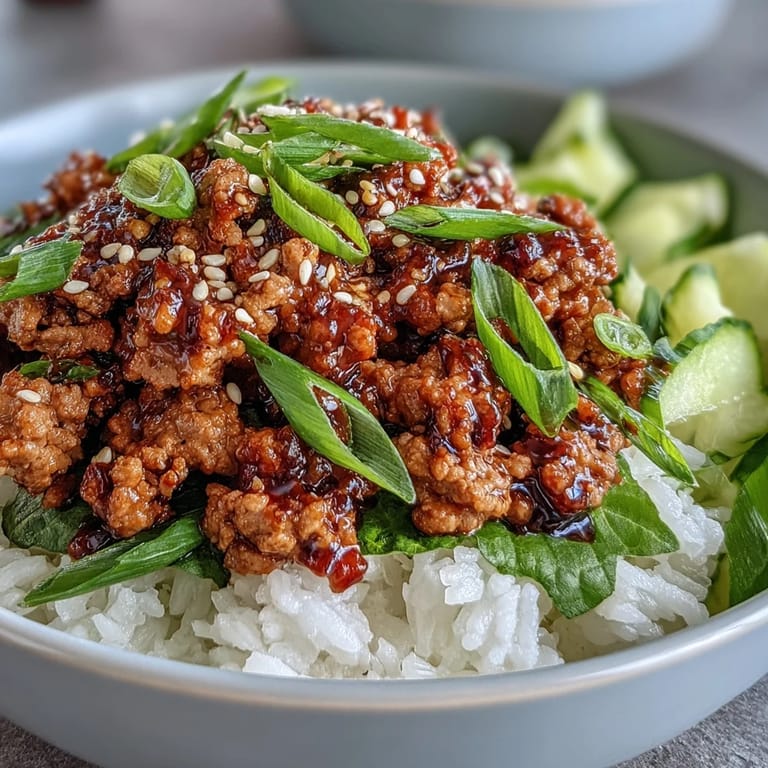
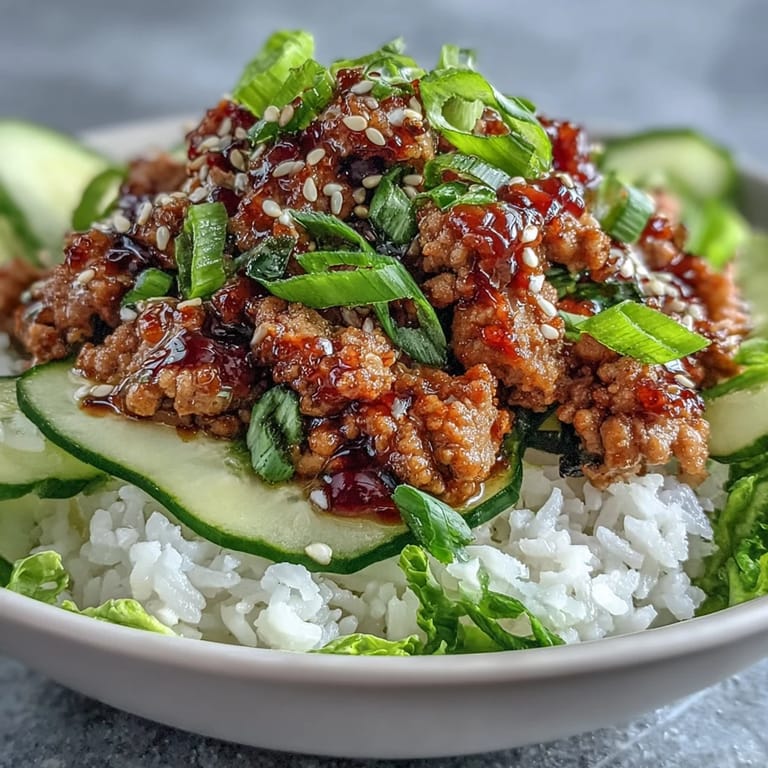
Save There's something about the smell of sesame oil hitting a hot pan that instantly transports me to a tiny Korean restaurant tucked away on a side street, where the owner's daughter taught me that the best meals don't need to be complicated, just intentional. These lettuce wrap bowls landed on my table one weeknight when I was tired of the usual rotation and wanted something that felt restaurant-quality but didn't demand hours in the kitchen. The magic happens when warm, caramelized turkey meets cool, crisp vegetables and jasmine rice—it's the kind of dish that tastes like you spent all day cooking when really you've got dinner ready in thirty-five minutes. My family started requesting these bowls so often that I stopped pretending it was a weeknight experiment and just accepted it as our new favorite.
I'll never forget watching my neighbor's face light up when she took her first bite at a casual potluck—she immediately asked if there was meat in the bowl, convinced something that tasted this good had to be complicated. That moment taught me that simple doesn't mean boring, and sometimes the dishes that feel most craveable are the ones that respect their ingredients without drowning them in unnecessary steps. She's made it twice since then, and now we swap gochujang recommendations like we're sharing secret family formulas.
Ingredients
- Ground turkey: Use fresh, not frozen if you can—it browns more evenly and picks up the sauce better, giving you that restaurant-quality texture.
- Sesame oil: This is where the soul of the dish lives; a little goes a long way, and toasted sesame oil has a deeper, more authentic flavor than the lighter version.
- Gochujang (Korean chili paste): This fermented paste brings heat and umami depth that soy sauce alone can't deliver—start with a tablespoon and adjust to your heat preference.
- Fresh ginger and garlic: Minced fresh, not powdered, because you want those sharp, bright notes to cut through the richness of the turkey.
- Rice vinegar: The acid that makes everything taste brighter and prevents the dish from feeling heavy.
- Jasmine or short-grain rice: Jasmine's delicate fragrance complements the sesame flavors beautifully, though any cooked rice works in a pinch.
- Lettuce and vegetables: Use whatever's crisp and fresh—butter lettuce is tender, romaine has more structure, and both work depending on your mood.
- Toasted sesame seeds: Buy them already toasted; it saves time and they taste better than toasting them yourself at home.
Tired of Takeout? 🥡
Get 10 meals you can make faster than delivery arrives. Seriously.
One email. No spam. Unsubscribe anytime.
Instructions
- Start with warm rice:
- Get your rice going first if you're making it from scratch, or reheat it gently while you work on the turkey so everything comes together at the same temperature.
- Build your aromatic base:
- Heat that sesame oil until it shimmers, then let the garlic and ginger sizzle for exactly one minute—any longer and they turn bitter, any shorter and they're too raw.
- Brown the turkey properly:
- Don't rush this step; let the turkey sit in the pan for a minute or two before stirring so it gets those golden, caramelized edges that make it taste like it's been braising for hours. Break it into small pieces as it cooks so you get texture throughout.
- Marry the flavors:
- When you add the soy sauce, gochujang, honey, and vinegar, you're creating a glaze that should coat every piece of turkey—stir constantly for two to three minutes until it looks glossy and the turkey takes on a deeper color.
- Finish with freshness:
- Those green onions and sesame seeds go in at the very end so they stay bright and don't lose their texture to the heat—taste as you go and adjust salt and pepper because every brand of soy sauce and gochujang seasons differently.
- Build your bowls with intention:
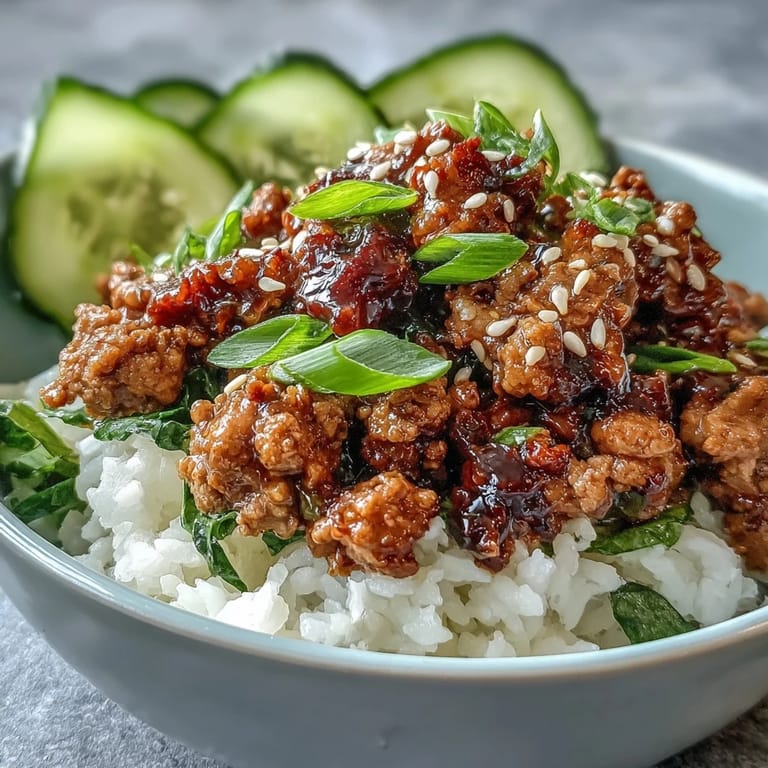
- Start with rice as your base, then crown it with warm turkey, then arrange your cool vegetables around it like you're plating something precious—the contrast of temperatures is what makes people keep coming back for more.
 Save
Save There was a moment when my picky-eating teenager actually asked for seconds without being prompted, which felt like winning the lottery in parenting. That's when I realized these bowls had become more than just dinner—they were my secret weapon for bringing everyone to the table together, no complaints.
Why the Lettuce Leaf Matters
Serving lettuce leaves on the side isn't just a garnish—it's an invitation to interact with your food in a playful way that makes people slow down and pay attention. When guests wrap a spoonful of turkey and vegetables in a cool, crisp leaf, the experience shifts from eating to something more engaging and memorable.
The Cucumber Ribbon Secret
Using a vegetable peeler instead of slicing creates ribbons that are delicate and elegant, and they catch the light in a way that makes the bowl look restaurant-worthy without any extra effort. Plus, those thin ribbons soak up the sesame flavors better than chunks would.
Making It Your Own
The beauty of this bowl is that it welcomes improvisation—swap in whatever vegetables are in your crisper drawer and nobody will know it wasn't intentional. I've made it with shredded red cabbage instead of cucumber, added a fried egg on top when I needed more protein, and even stirred a spoonful of almond butter into the sauce when I wanted it richer.
- If you're cooking for someone who doesn't eat meat, ground mushrooms or crumbled tofu absorb the same sauce and taste just as satisfying.
- Make the turkey ahead and reheat it gently—it actually tastes better the next day as the flavors settle and deepen.
- Set up a little build-your-own-bowl situation where everyone customizes their plate; it turns dinner into something fun instead of something served.
 Save
Save These bowls have become the kind of meal I make when I want to feel like I'm taking care of people without it feeling like a burden. There's real magic in feeding people something this good, this fast.
Recipe Help & FAQs
- → What makes these bowls Korean-inspired?
Gochujang Korean chili paste brings authentic heat and depth, while sesame oil, garlic, and ginger create the aromatic base typical of Korean cooking. The combination of sweet honey, tangy rice vinegar, and savory soy sauce mirrors traditional Korean flavor balances.
- → Can I prepare components ahead?
The ground turkey mixture keeps well in the refrigerator for 3-4 days and actually develops deeper flavors after resting. Rice can be made ahead and reheated. Vegetables stay fresh for 2-3 days when stored properly in airtight containers.
- → What can substitute for gochujang?
Sriracha mixed with a bit of miso paste works well, or use sambal oelek for heat without the fermentation notes. For a milder option, red pepper flakes with a touch of tomato paste provides similar color and spice.
- → How do I eat lettuce wrap bowls?
Scoop turkey and vegetables directly onto individual lettuce leaves, then fold like a taco. Alternatively, mix everything together in the bowl and use lettuce leaves as scoops. Both ways deliver refreshing crunch with every bite.
- → What protein alternatives work well?
Ground chicken becomes incredibly tender and absorbs flavors beautifully. Ground beef adds richness, while crumbled tofu creates a lighter vegetarian option. Thinly sliced pork or beef strips also work wonderfully when stir-fried with the same seasonings.
- → How can I adjust the spice level?
Start with half the gochujang and taste before adding more. For extra heat, add sriracha, red pepper flakes, or fresh sliced chilies. To cool things down, increase the honey slightly or add a dollop of plain yogurt when serving.