 Save
Save I discovered makroudh quite by accident one afternoon when a Tunisian friend arrived at my kitchen with a small box of golden, jewel-like pastries still warm from her mother's pan. She watched as I bit into one, the crispy semolina shell giving way to a date filling spiced with cinnamon and nutmeg, and I understood immediately why these cookies hold such a special place in her family's celebrations. The combination of textures—that satisfying crunch followed by the soft, sweet dates—stayed with me for weeks. I finally asked for her family's method, and she laughed, saying her mother had been waiting for me to ask. Now, whenever I make these at home, I feel like I'm continuing a conversation across kitchens and generations.
The first time I made these for a dinner party, I was nervous about the frying step—I'd never deep-fried pastries before. But as they floated to the surface of the oil, turning that perfect golden brown, something shifted. My guest list that night included someone from Tunis, and when she bit into one, her eyes closed. She didn't say much, just held my gaze and smiled, and that silent moment told me everything about what these cookies mean to people.
Ingredients
- Fine semolina (500g): This is the foundation of the dough and the crispy coating, so don't swap it for coarse semolina or regular flour—the texture won't be the same.
- Unsalted butter and olive oil (125g and 75ml): Together, they create a dough that's tender yet structured enough to hold the date filling without breaking.
- Warm water (100ml): Add gradually; semolina absorbs moisture at its own pace, and you might need slightly less or more depending on humidity.
- Granulated sugar and salt (2 tbsp and 1/2 tsp): These balance the richness of the fat and complement the spiced dates without overwhelming them.
- Ground cinnamon (1/2 tsp in dough, 1/2 tsp in filling): Use fresh ground cinnamon if possible—it makes a noticeable difference in warmth and depth.
- Pitted dates, chopped (300g): Medjool dates work beautifully here because they're naturally sweet and soft, but any tender variety will do.
- Ground nutmeg (1/4 tsp): Just a whisper of this spice lifts the entire filling into something more complex and memorable.
- Orange blossom water (optional but recommended): This ingredient transforms the cookies from delicious to unmistakably Tunisian—it's worth seeking out.
- Honey for the syrup (200g): Drizzle this warm over the fried cookies while they're still hot so it coats and sets into a glossy finish.
- Vegetable oil for frying: Use a neutral oil with a high smoke point; you'll need enough to submerge the cookies halfway.
- Sesame seeds for garnish (1 tbsp): These add a subtle nuttiness and visual appeal, but they're entirely optional.
Tired of Takeout? 🥡
Get 10 meals you can make faster than delivery arrives. Seriously.
One email. No spam. Unsubscribe anytime.
Instructions
- Make the date filling first:
- Combine your chopped dates with butter, cinnamon, and nutmeg in a saucepan over low heat. Stir gently and watch as the dates soften and collapse into a rich, dark paste—this takes about 5 minutes, and you'll know it's ready when it holds together when pressed. Add orange blossom water if you're using it, let everything cool to room temperature, then shape the filling into thin logs about 1 cm thick and set them aside to firm up slightly.
- Build the semolina dough:
- In a large bowl, whisk together your semolina, sugar, salt, and cinnamon until everything is evenly distributed. Pour in the melted butter and olive oil, then use your fingertips to rub the mixture together—it should feel like wet sand with no streaks of oil remaining. Slowly add the warm water, mixing gently with your hands, until the dough comes together into something soft and pliable but not sticky; you might not need all the water, so add it gradually and trust your hands.
- Rest and shape:
- Cover your dough and let it sit for 20 minutes—this resting time is essential because it allows the semolina to fully hydrate and makes the dough much easier to work with. Divide the dough in half and roll each piece into a log about 5 cm thick, then use your finger to press a deep groove down the length of each log. Lay your date filling log into the groove, fold the dough over to enclose it completely, and seal by gently pressing the edges together, then roll it slightly to smooth out any cracks.
- Cut into diamonds:
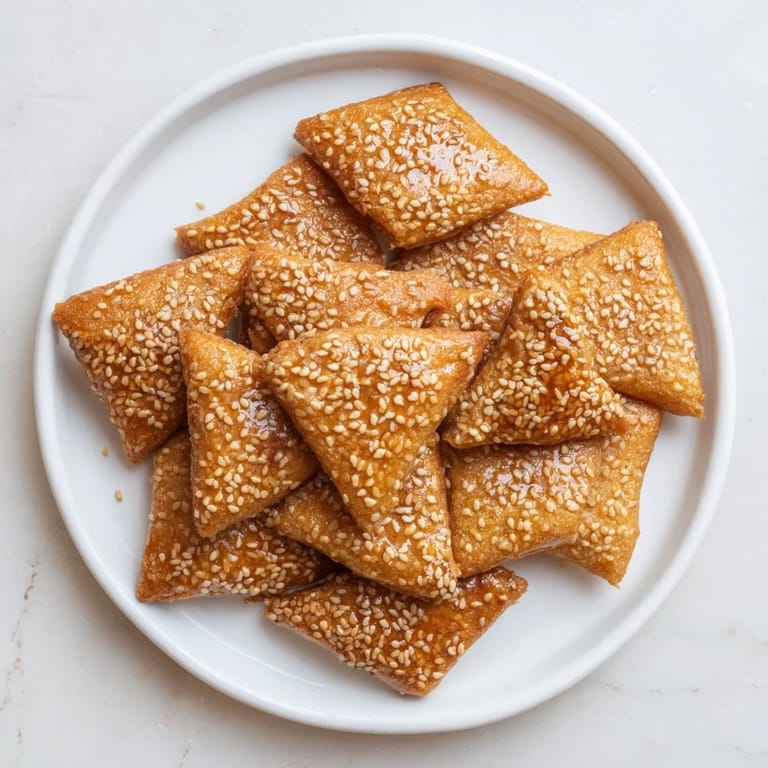
- Flatten your dough log just a little, then use a sharp knife to cut it diagonally into pieces about 4–5 cm long, creating those distinctive diamond shapes that makroudh are known for. Work gently so the filling doesn't squeeze out, and if it does peek through, just pinch the dough closed.
- Fry until golden:
- Heat your vegetable oil to 170°C (340°F)—a thermometer is your best friend here because the temperature really matters. Working in batches so you don't crowd the pan, carefully place the makroudh in the oil and let them fry for 5–7 minutes, turning once so they become golden brown on all sides. Use a slotted spoon to transfer them to paper towels the moment they're done; they'll continue cooking slightly as they cool.
- Glaze and finish:
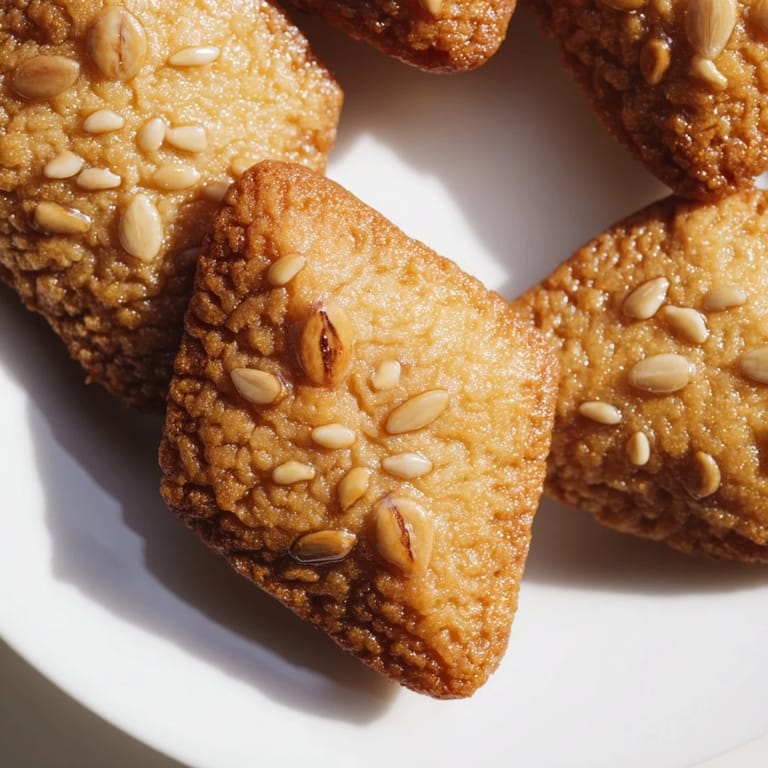
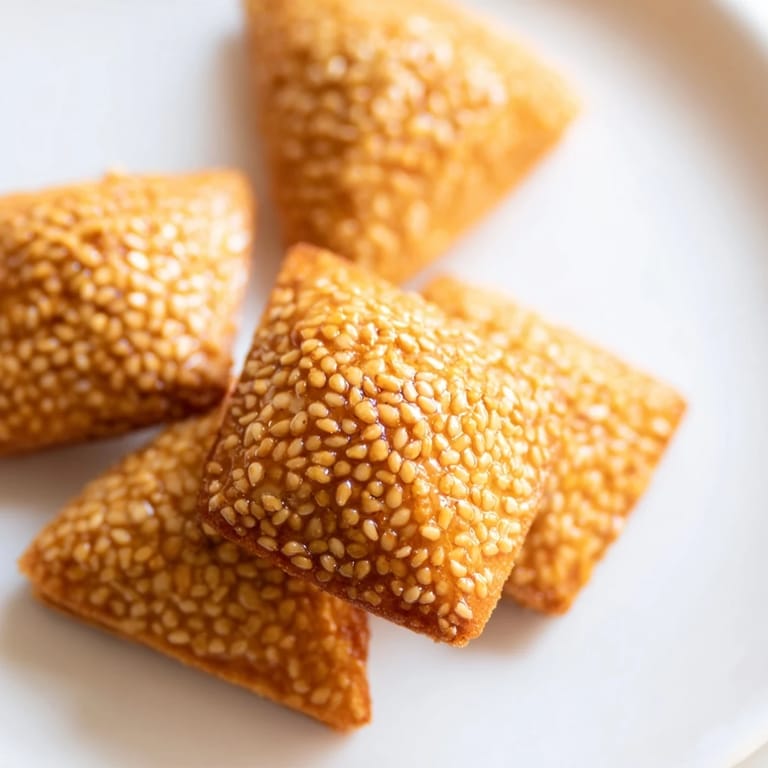
- Warm your honey gently in a saucepan, stirring in the orange blossom water if you're using it, then working quickly while the makroudh are still warm, dip each piece into the syrup, turn it to coat completely, and transfer it to a wire rack to cool and set. If you want extra elegance, sprinkle sesame seeds over the top while the honey is still tacky.
 Save
Save There's a moment when you pull the first batch from the oil and that honeyed aroma fills your kitchen—it's the smell of celebration, of tradition moving forward. I remember my hands shaking slightly as I held the warm cookies, amazed that I'd actually made something this beautiful, and I realized that wasn't just about following steps correctly. It was about understanding why each ingredient and technique mattered, and respecting the generations of hands that came before mine.
The Story Behind Makroudh
Makroudh appears on Tunisian tables during important moments—weddings, religious holidays, family gatherings—and has been made largely unchanged for centuries. The cookies represent a kind of culinary conversation, a way of saying, 'You matter to me, and I've spent time thinking about what you enjoy.' Understanding this context makes the recipe less about following instructions and more about participating in something meaningful. When you make these, you're not just baking; you're honoring a tradition that's rooted in generosity and community.
Troubleshooting Common Issues
If your dough feels too dry and won't come together, add water just a teaspoon at a time—semolina's thirst varies with the weather. If the filling keeps poking through the dough, make sure it's completely cool before shaping, and handle that enclosed dough very gently as you seal and smooth it. If your fried cookies taste oily, your oil temperature was probably too low; they should sizzle immediately upon contact and float to the surface within seconds. If they're dark brown but still soft inside, the oil was too hot—lower the temperature for the next batch.
Variations and Serving Suggestions
While the traditional version is fried and syrup-glazed, a baked version works beautifully if you prefer less oil—bake at 180°C for 25–30 minutes until golden, then dip in warm honey just the same. You can also experiment with rose water instead of orange blossom water, or skip the floral note entirely if you want to let the dates and spices shine. These cookies keep for about a week in an airtight container, and they actually taste wonderful at room temperature, making them perfect for packed lunches or quick snacks throughout the week.
- Serve makroudh with strong mint tea or coffee for the most authentic and delicious pairing.
- If making them ahead for a gathering, wait to dip them in honey until an hour or two before serving so they stay crispy.
- Store any leftovers in an airtight container at room temperature, and they'll stay fresh and delicious for several days.
 Save
Save These cookies are proof that the most meaningful food often comes from recipes that have been loved and made thousands of times before. When you share them, you're giving someone more than a cookie—you're giving them a taste of somewhere beautiful, a moment of care, and an invitation to slow down.
Recipe Help & FAQs
- → What gives the filling its unique flavor?
The filling combines pitted dates with spices like cinnamon and nutmeg, enhanced by optional orange blossom water to create a sweet and aromatic taste.
- → How is the dough prepared for ideal texture?
The dough is made from fine semolina mixed with melted butter, olive oil, sugar, and warm water, gently kneaded to a soft and pliable consistency, then rested before shaping.
- → Can Makroudh be baked instead of fried?
Yes, for a lighter version, the shaped pieces can be baked at 180°C (350°F) for 25–30 minutes until golden, then dipped in honey syrup.
- → What is the purpose of the honey syrup?
The honey syrup, often flavored with orange blossom water, adds moisture, sweetness, and a glossy finish to the fried pastries, enhancing their flavor and texture.
- → How should the pastries be stored?
Store in an airtight container for up to one week to maintain freshness and crispness.