 Save
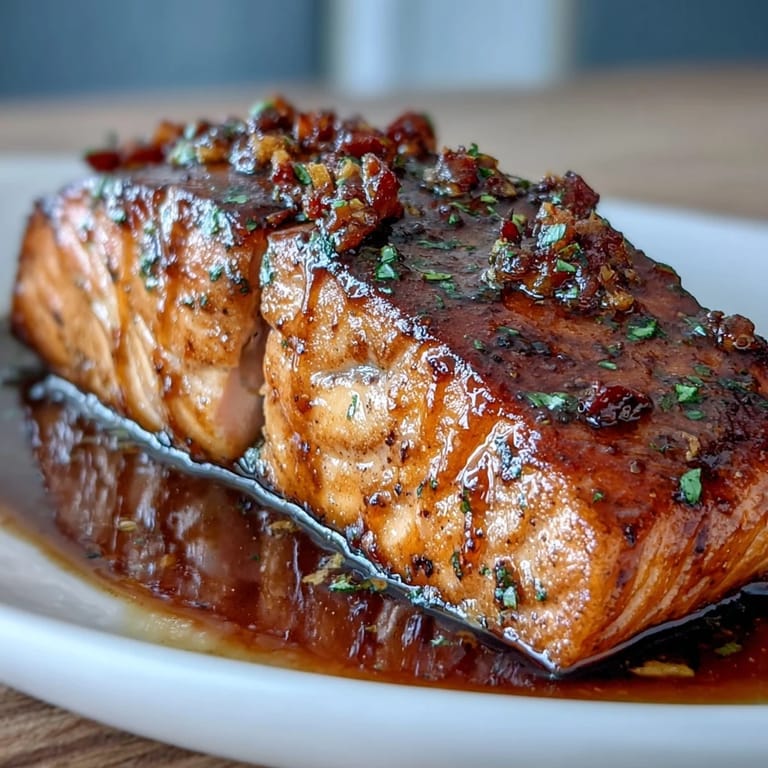
Save There's something about walking into Texas Roadhouse that gets me every time—that smoky, warm feeling mixed with the sound of sizzling plates. One evening, I ordered their baked salmon almost by accident, having overlooked it a dozen times before, and it changed how I thought about cooking fish at home. The glaze was this perfect balance of sweet and savory, with garlic singing underneath and just enough tang to keep things interesting. I spent the next week trying to reverse-engineer it in my kitchen, and honestly, this version tastes even better because I can control exactly how much honey goes in and whether I want that extra smoky paprika kick.
I made this for my sister last spring when she was visiting, and she kept asking if I'd been secretly taking cooking classes. The salmon came out of the oven glistening, with this caramelized edge that caught the light just right, and when she took that first bite, her whole face softened. It became the dish she'd text me about months later asking for the recipe again, which honestly felt like the highest compliment I could get.
Ingredients
- Salmon fillets (4, about 6 oz each): Fresh or thawed works beautifully—just make sure the flesh is bright and firm when you touch it, not mushy or dull.
- Olive oil or avocado oil (2 tablespoons): This becomes part of the glaze and helps everything brown evenly, so don't skip it or use something with a low smoke point.
- Honey (2 tablespoons): The secret sweetness that balances the soy sauce and creates that slight caramelization on top; maple syrup works just as well if that's what you have.
- Soy sauce (3 tablespoons): Use tamari or coconut aminos if you're avoiding gluten, and honestly, I prefer the depth of reduced-sodium soy sauce here.
- Dijon mustard (1 tablespoon): This isn't about mustard flavor—it's an emulsifier that holds the marinade together and adds a subtle sophistication that people won't quite identify.
- Garlic, minced (3 cloves): Fresh garlic is non-negotiable; bottled garlic will leave a bitter, stale taste that ruins the whole thing.
- Paprika (1 teaspoon): Smoked paprika elevates this to another level if you have it, but regular paprika adds warmth and color either way.
- Salt and freshly cracked black pepper (1 teaspoon each): These aren't just seasoning—they help the marinade penetrate the salmon's flesh, so grind your pepper fresh right before using it.
- Lemon juice (2 tablespoons): Freshly squeezed is the only way; bottled juice tastes tinny and flattens the entire flavor profile.
- Fresh parsley, chopped (2 tablespoons for garnish): This is your final touch that makes it look intentional and adds a bright, grassy note that rounds everything out.
Tired of Takeout? 🥡
Get 10 meals you can make faster than delivery arrives. Seriously.
One email. No spam. Unsubscribe anytime.
Instructions
- Heat your oven and prep the stage:
- Get your oven to 375°F and lightly grease a baking dish with oil—this takes two minutes but sets you up for zero sticking later. I learned this the hard way after scrubbing a dish clean instead of enjoying my dinner.
- Build the magic marinade:
- Whisk together the oil, honey, soy sauce, mustard, minced garlic, paprika, salt, pepper, and lemon juice in a bowl until everything looks glossy and combined. You want to see the honey dissolve into the liquid so the flavors marry together, which takes about thirty seconds of actual whisking.
- Meet the salmon:
- Arrange your salmon fillets skin-side down in the baking dish and pour that beautiful marinade evenly over each one. Give it 10 to 15 minutes at room temperature—this is when you can set the table or pour yourself a drink, because the salmon is soaking up all those flavors without any effort from you.
- Let the oven work for you:
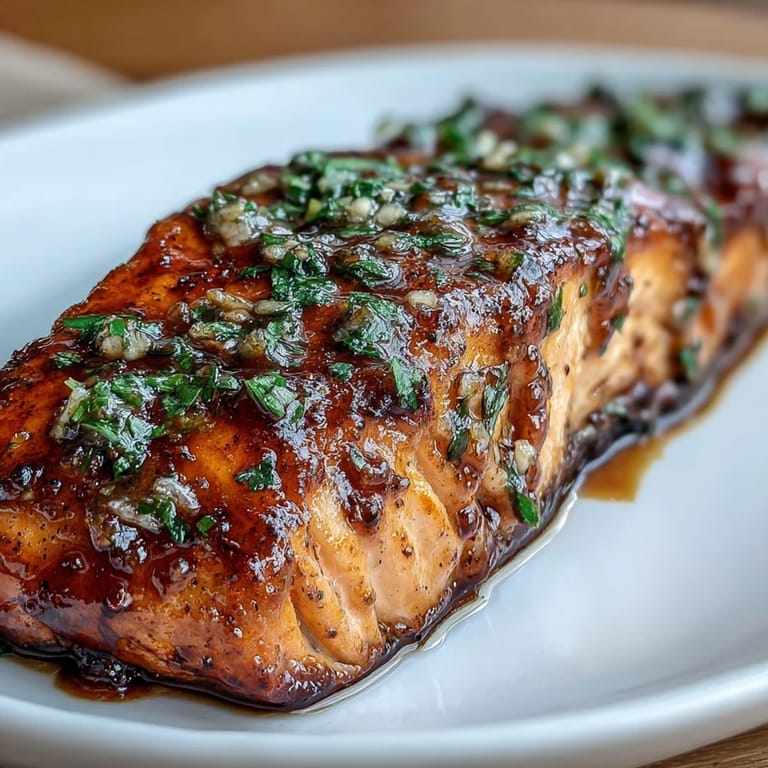
- Slide the baking dish into your preheated oven for 20 to 25 minutes—the salmon is done when it flakes easily with a fork and the flesh is opaque all the way through. If you want extra drama and caramelization, turn on the broiler for the last 2 to 3 minutes and watch it carefully, as it goes from golden to charred in seconds.
- Finish with intention:
- Pull everything out, sprinkle with fresh parsley, and serve warm while that glaze is still slightly sticky. This is the moment when it actually looks like you've been doing this forever.
 Save
Save What struck me most about making this recipe repeatedly is how it became my go-to when I wanted to impress someone without the stress. There's elegance in simplicity, and this dish proves that you don't need to be a classically trained chef to create something that feels luxurious and intentional.
The Marinade Magic
The genius of this marinade is that every single ingredient earns its place—nothing is there just to sound fancy. The honey and mustard create an emulsion that clings to the salmon and caramelizes slightly in the oven, the garlic infuses everything with depth, and the soy sauce brings umami that you feel but don't necessarily taste. I've made versions where I skipped one element thinking it wouldn't matter, and every time I've regretted it. The balance is what makes this taste like a restaurant dish instead of something you threw together at home.
Timing and Temperature
Getting the oven temperature right is actually the secret to salmon that's moist inside but not raw, with a glaze that actually sticks. At 375°F, you get about 20 to 25 minutes of cooking time depending on the thickness of your fillets, and that's the sweet spot where the protein sets without turning into rubber. I used to cook salmon hotter and faster thinking that was the way, but that just dried it out and made the marinade evaporate before it could do its job. Now I'm patient with this step, and it shows in every bite.
Serving and Pairing
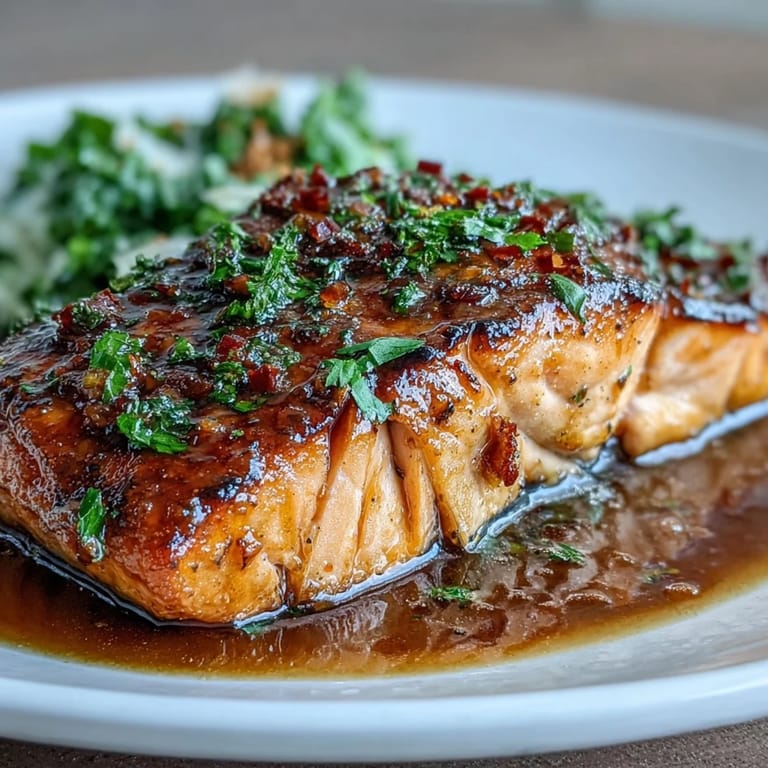
This salmon sings next to steamed vegetables, rice pilaf, or even just a baked potato with butter. I've served it over a simple green salad in the summer and alongside roasted Brussels sprouts in winter, and it adapts beautifully to whatever you put beside it. The glaze is rich enough that you don't need much else, but the brightness of lemon and parsley means everything on the plate feels fresh instead of heavy.
- Roasted asparagus or broccoli picks up the smoky paprika notes and keeps everything feeling light and balanced.
- A squeeze of fresh lemon juice right before eating adds another layer of brightness that pulls all the flavors into focus.
- Make extra marinade if you're also cooking vegetables in the same pan, because nobody will complain about more of that glaze.
 Save
Save This is the dish I make when I want dinner to feel special without spending hours in the kitchen, and that's become its own kind of magic. Every time someone asks how I do it, I realize it's because I've stopped overthinking and started listening to what the ingredients are actually trying to tell me.
Recipe Help & FAQs
- → What marinade ingredients enhance the salmon's flavor?
The marinade combines honey, soy sauce, Dijon mustard, minced garlic, smoked paprika, lemon juice, olive oil, salt, and pepper for a balanced sweet and tangy taste.
- → Can I make this dish gluten-free?
Yes, substituting regular soy sauce with tamari or coconut aminos ensures the marinade is gluten-free.
- → How do I know when the salmon is fully cooked?
The salmon is done when it flakes easily with a fork, typically after 20–25 minutes baking at 375°F (190°C).
- → Is there a way to enhance the caramelization on the salmon?
Broiling the salmon for the last 2–3 minutes of cooking adds a desirable caramelized finish.
- → What are some good side dishes to serve with this salmon?
Steamed vegetables, rice, or a baked potato complement the dish well, rounding out the meal.
- → Can maple syrup be used instead of honey?
Yes, maple syrup is a perfect alternative to honey for a slightly different sweetness.