 Save
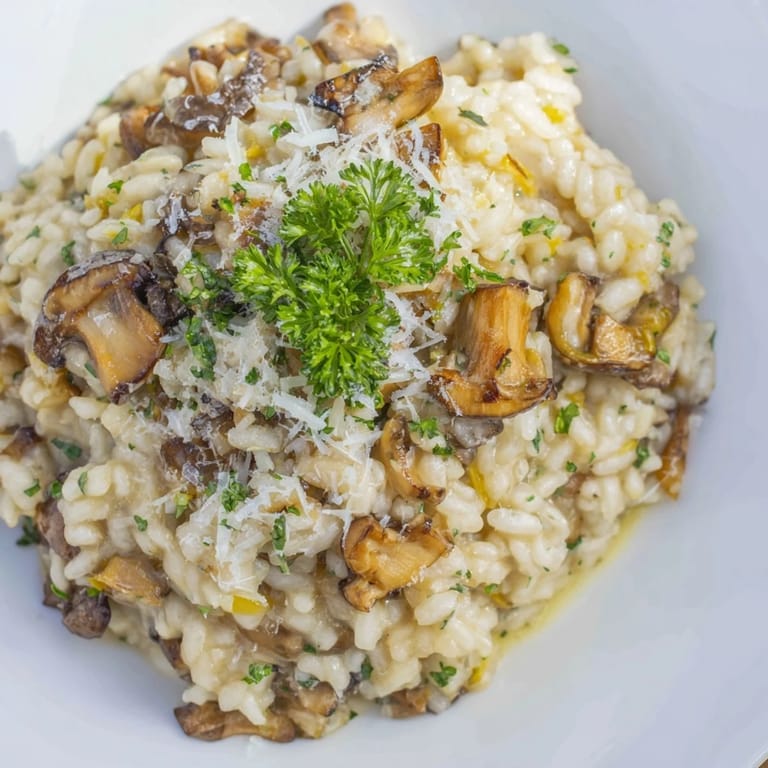
Save There's something almost meditative about making risotto on a quiet afternoon. I discovered this particular version on a rainy weekend when my neighbor stopped by with a bag of fresh cremini mushrooms from the farmers market, and I suddenly had the time to do risotto right—slowly, with patience instead of rushing through dinner prep. The transformation never gets old: watching those little grains of rice gradually release their starch and turn silky, the kitchen filling with the nutty aroma of butter and Parmesan. It's one of those dishes that demands your attention but rewards it completely.
I made this for my partner on a Tuesday night when they'd had a rough day at work, and I remember how their whole mood shifted the moment they took that first bite. There's something about risotto that feels nurturing—maybe it's the warmth of the bowl in your hands, or the way you have to eat it immediately while it's perfectly creamy. That night it became our go-to comfort dish, the thing I make when we need something that says both care and celebration.
Ingredients
- Arborio rice (1½ cups): This is the only rice that really works for risotto—its high starch content is what creates that signature creamy texture. Don't substitute with regular long-grain rice or you'll lose the magic.
- Cremini or button mushrooms (12 oz, sliced): I prefer cremini for their deeper flavor, but button mushrooms work beautifully too and are usually easier on the budget.
- Olive oil (1 tbsp) and unsalted butter (1 tbsp for mushrooms, plus 2 tbsp more later): The butter is essential—it's where a lot of the richness comes from, so don't skimp or swap it for oil.
- Yellow onion (1 medium, finely chopped): The base of flavor; finely chopping it helps it dissolve into the rice and distribute evenly.
- Garlic (2 cloves, minced): Adds aromatic depth but add it after the onion softens so it doesn't burn.
- Vegetable broth (4 cups, kept warm): Keeping it warm matters more than you'd think—cold broth will shock the rice and slow cooking. Keep it simmering in another pot.
- Dry white wine (½ cup): Don't use anything you wouldn't drink; the cheap stuff tastes cheap in the final dish.
- Parmesan cheese (½ cup grated, plus extra for serving): This is where umami magic happens, so use real Parmigiano-Reggiano if you can.
- Salt and black pepper: Season to taste at the end, not at the beginning.
- Fresh parsley (2 tbsp chopped, optional): A garnish that adds a fresh note and makes it look intentional.
Tired of Takeout? 🥡
Get 10 meals you can make faster than delivery arrives. Seriously.
One email. No spam. Unsubscribe anytime.
Instructions
- Sauté the mushrooms until golden:
- Heat the olive oil and 1 tbsp butter in a large skillet over medium heat, then add your mushrooms in a single layer if possible. Let them cook undisturbed for a couple of minutes so they brown instead of steam, then stir and continue until they're golden and any liquid has evaporated, about 6–8 minutes total. Remove them to a plate and set aside—this step builds flavor you can't rush.
- Build your aromatic base:
- In the same pan, add the chopped onion and cook gently for about 3 minutes until it's soft and translucent, then add the garlic and cook for just 1 minute more. You want them fragrant and soft but not browned, which would make the dish taste bitter.
- Toast the rice briefly:
- Stir the Arborio rice into the onion mixture and keep stirring for about 2 minutes until you see the edges of some grains turn translucent and they smell nutty. This toasting step seals the grain and helps it hold its shape while cooking.
- Deglaze with wine:
- Pour in the white wine and stir constantly until it's almost completely absorbed into the rice. The wine adds acidity and flavor that balances the creaminess.
- Add broth gradually and stir mindfully:
- This is the patient part: add your warm broth one ladle at a time, stirring frequently. Wait until most of each addition is absorbed before adding more—this usually takes about 18–20 minutes total. The constant stirring releases starch from the rice, which is what creates the cream.
- Finish with mushrooms, butter, and cheese:
- When the rice is creamy and tender but still has a slight bite to it, stir in your sautéed mushrooms, the remaining 2 tbsp of butter, and the Parmesan. Let it cook for just 2 more minutes, then taste and season with salt and pepper to your preference.
- Serve immediately:
- Risotto waits for no one—it'll start to stiffen within a few minutes. Divide into bowls, garnish with extra Parmesan and a scatter of parsley if you're using it, and serve right away.
 Save
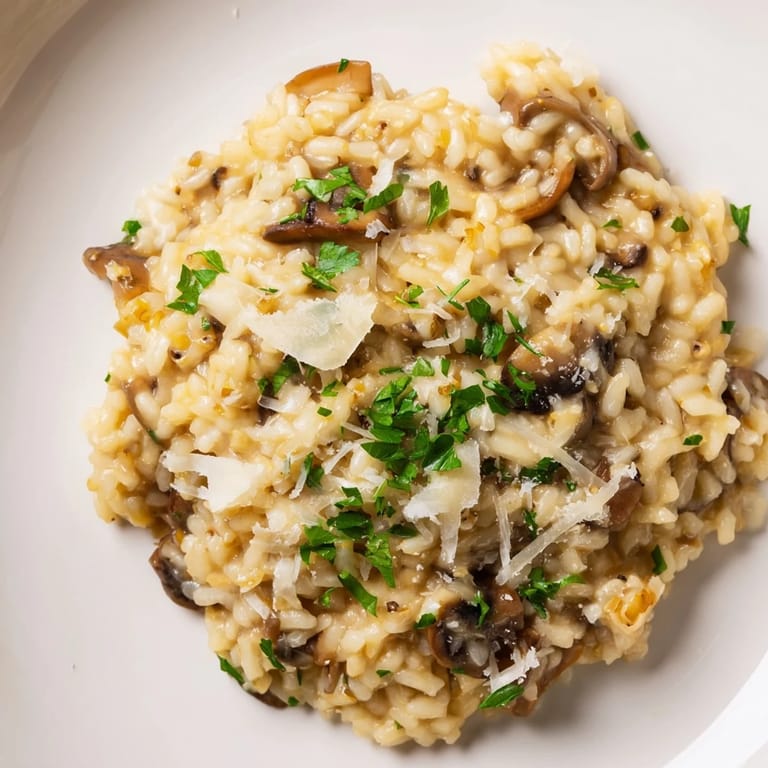
Save I learned something important about this dish when I tried to keep a batch warm for a friend who was running late—it was a complete loss, grainy and stuck together in a way that no amount of extra broth could fix. Now I time everything so the risotto finishes exactly when people are sitting down to eat, which has honestly made me better at reading a kitchen's rhythm.
Variations to Explore
Once you nail the basic technique, risotto becomes a canvas for whatever you have on hand. I've made it with wild mushroom mixes, which adds an earthier complexity, and I've swapped in roasted asparagus or saffron threads when the mood struck. The structure stays the same—it's really the broth and the patient stirring that matters—so your creativity doesn't break anything.
What to Pair With This
Risotto is a complete main course on its own, but it appreciates simplicity around it. A light green salad with lemon dressing cuts through the richness perfectly, and a crisp white wine like Pinot Grigio or Sauvignon Blanc echoes the wine in the dish itself. Fresh bread for wiping the bowl clean is always welcome at my table.
The Secret to Restaurant Quality
The difference between home risotto and the kind served at Italian restaurants often comes down to one thing: the cook's willingness to stay present and actually stir. There's no way around this step, but here's what made it click for me—I started thinking of the stirring as meditative rather than tedious, and suddenly those 20 minutes became some of my favorite kitchen time.
- Use a wooden spoon and stir with intention, not distracted half-stirring while you check your phone.
- Keep your broth simmering the entire time, not just sitting in a pot; a hot broth absorbs better and cooks the rice more evenly.
- Taste the rice after about 18 minutes—it should be tender but with just the slightest firmness in the center, creamy but not mushy.
 Save
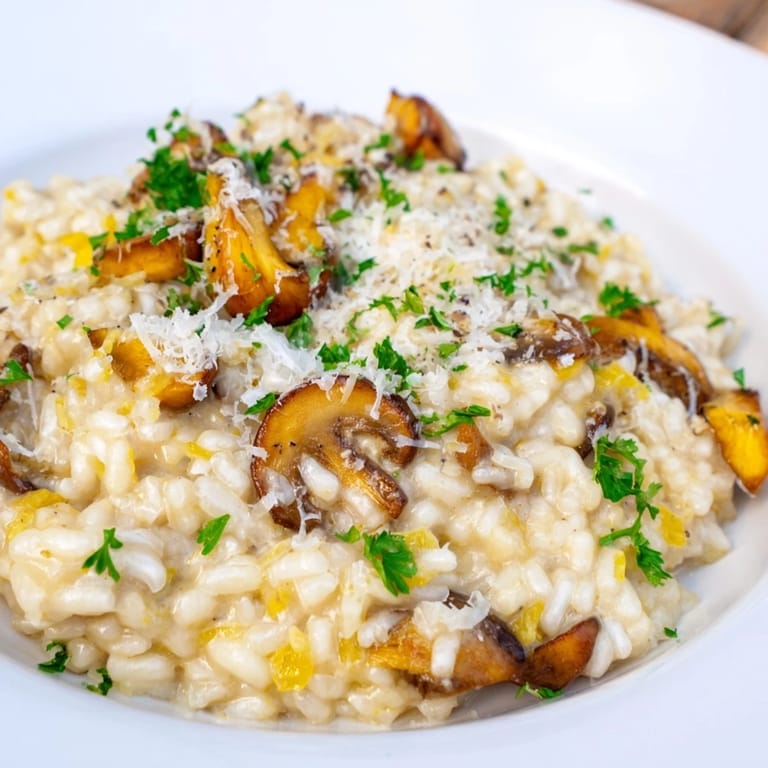
Save Risotto is proof that good food doesn't need to be complicated, just intentional. Every time I make it, I'm reminded that the best meals come from slowing down.
Recipe Help & FAQs
- → What type of rice is best for risotto?
Arborio rice is preferred for its starch content that creates risotto’s characteristic creamy texture without becoming mushy.
- → Can I use other mushrooms instead of cremini?
Yes, wild mushrooms or button mushrooms work well, adding different earthy flavors and textures to the dish.
- → How do I know when the risotto is done?
The rice should be tender but still retain a slight firmness in the center, often described as al dente, with a creamy consistency.
- → Why is stirring important during cooking?
Frequent stirring helps the rice release starch, which thickens the dish and prevents sticking or burning on the pan’s bottom.
- → Can I substitute the vegetable broth with something else?
Chicken broth can be used for a non-vegetarian version, adding a richer taste while maintaining the dish’s moisture.