 Save
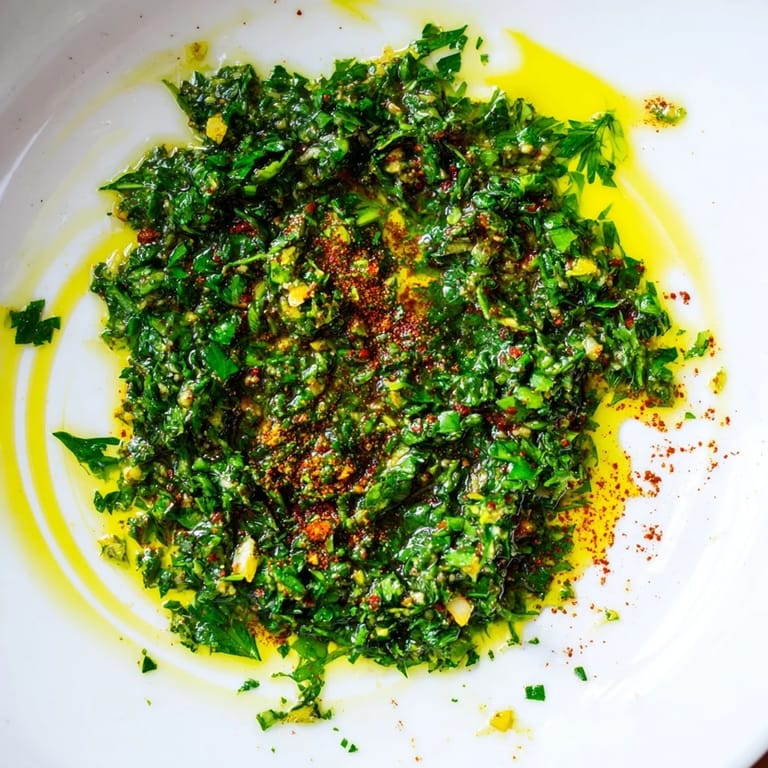
Save The first time I made chermoula, I wasn't even looking for a Moroccan recipe—I was standing in a spice market in the medina, completely overwhelmed by the chaos of vendors calling out, the air thick with cumin and paprika smoke. A woman behind the counter handed me a tiny jar of this paste she'd made that morning, insisting I try it on fish. One taste and I was undone. Now, whenever I make it at home, that same electric feeling returns—that moment when simple herbs and spices suddenly become something that tastes like a place you've never been but somehow know.
I made this for a dinner party on a weeknight when I had maybe two hours to pull everything together. My hands were stained green from chopping cilantro, the lemon zest clung to my microplane, and I was genuinely concerned I'd overloaded the cayenne. But when my friend took that first bite of the fish, she closed her eyes and went quiet—the kind of quiet that means something just landed right. That's when I knew this wasn't just a recipe; it was a small miracle I could make again and again.
Ingredients
- Fresh cilantro (1 cup packed): This is your green backbone—the flavor that makes everything taste North African and alive. Don't even think about using dried cilantro; it's a completely different thing.
- Fresh flat-leaf parsley (½ cup packed): It softens the intensity of the cilantro just enough and adds an earthy sweetness that keeps things balanced.
- Garlic (4 cloves, minced): The heat brings out the garlic's sweetness, so there's no harshness here—just warm, pungent backbone.
- Shallot (1 small, finely minced, optional): If you use it, you're adding a subtle sweetness and sophistication that makes people wonder what's different.
- Lemon zest and juice (1 large lemon): Both matter equally—the zest gives aromatic brightness, the juice provides acid that keeps everything tasting fresh.
- Ground cumin (2 tsp): Warm and earthy, this is what makes people say the fish tastes exotic without being able to name why.
- Sweet paprika (1½ tsp): Use sweet paprika, not hot—you want warmth and color, not heat. This is where the marinade gets its rust-red glow.
- Ground coriander (1 tsp): Citrusy and subtle, it ties the whole thing together with a thread of complexity.
- Cayenne pepper (½ tsp, adjust to taste): Start here and taste as you go. You can always add more heat, but you can't take it back.
- Black pepper (½ tsp): Fresh ground, always. It adds bite without being obvious about it.
- Extra-virgin olive oil (½ cup): This is what makes the marinade cling to the fish and infuse it with richness. Use something you'd actually taste on its own.
- Sea salt (1½ tsp): Fine sea salt dissolves and distributes more evenly than kosher salt in a wet marinade.
Tired of Takeout? 🥡
Get 10 meals you can make faster than delivery arrives. Seriously.
One email. No spam. Unsubscribe anytime.
Instructions
- Gather and chop everything:
- Get your cilantro and parsley finely chopped and ready in a medium bowl. Mince the garlic and shallot on the same cutting board so the flavors are already mingling in your workspace. The act of chopping by hand—not in a food processor yet—keeps the herbs fresher and more vibrant.
- Build the flavor base:
- Add your minced garlic and shallot to the herbs, then add the lemon zest and juice. At this point, just breathe in—the smell alone is worth the whole recipe.
- Dust in the spices:
- Sprinkle the cumin, paprika, coriander, cayenne, and black pepper over the herbs. The dry spices will bloom as they hit the moisture from the lemon juice, so wait a moment before mixing to let that happen.
- Pour in the oil and salt:
- Add the olive oil and sea salt, then mix everything together with a spoon or whisk until it becomes a thick, fragrant paste. You want the oil distributed evenly and the herbs suspended in it.
- Taste and adjust:
- This is non-negotiable. Dip a clean spoon into the paste and taste it. Does it need more salt? More lemon? More heat? Make those tweaks now while you can actually control them.
- Marinate your fish:
- Use it immediately on your fish—coat fillets or a whole fish generously on both sides, cover, and refrigerate for 30 minutes to 2 hours. The fish will transform from plain to incredible.
 Save
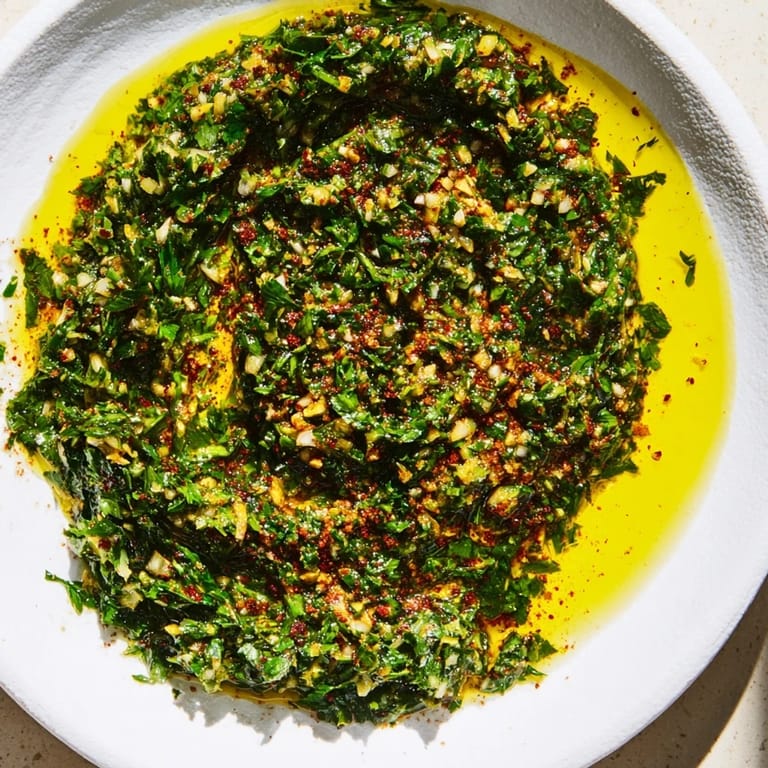
Save One evening, a friend who'd never tasted chermoula before took a piece of marinated fish and paused mid-bite. She asked, 'What is this?' not because something was wrong, but because she couldn't believe how much flavor was happening all at once. That question—that moment of recognition—is what chermoula is really about. It's taking the simplest ingredients and somehow making them taste like you've been to a spice market and back.
What Makes Chermoula Different
Chermoula isn't a rub or a glaze; it's a paste that clings to fish and infuses it from the outside in. The fresh herbs stay uncooked, so they bring a brightness and vegetal quality that doesn't fade even as the fish cooks. It's the opposite of heavy spice rubs that can overwhelm delicate white fish. Instead, it amplifies the fish's own flavor while wrapping it in warmth and complexity.
Fish and Flavor Pairing
Mild white fish is where chermoula truly shines—cod, snapper, sea bass, or halibut all benefit from this treatment because they have enough delicate flavor to let the marinade complement rather than overpower. Shrimp is another stunning choice; the marinade actually benefits the protein's natural sweetness. Even chicken and vegetables love this paste, but if you're new to chermoula, start with fish and let that be your baseline for understanding how good this can be.
Storage and Make-Ahead Magic
Chermoula keeps in the refrigerator for up to three days, so you can make it in the morning and use it at dinner. If you want to prepare ahead, you can even marinate your fish in the morning, cover it, and cook it whenever you're ready—the longer it sits, the deeper the flavor penetrates. You can also freeze the marinade in ice cube trays for up to a month, which means you're always moments away from making something taste incredible.
- For a smoother texture that clings more evenly, pulse everything in a food processor—but don't over-blend or the herbs will turn dark and bitter.
- If cayenne pepper isn't your thing, swap it for smoked paprika for a different kind of warmth that's less sharp.
- Pair this with Moroccan couscous and a crisp Sauvignon Blanc, or simply serve the fish with roasted vegetables and lemon wedges.
 Save
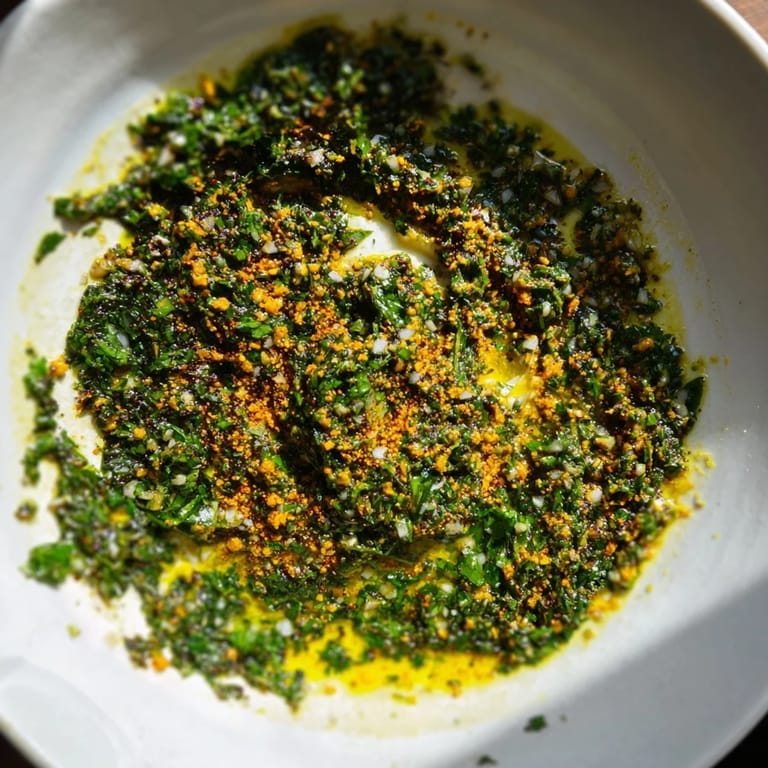
Save Every time I make this, I'm reminded that the best meals don't require complicated techniques or hours in the kitchen. They just require paying attention to what's in front of you and letting simple, good ingredients speak for themselves. Chermoula does exactly that—it respects the fish while making sure nobody at the table ever forgets the meal.
Recipe Help & FAQs
- → What fish pairs well with this marinade?
White fish such as cod, snapper, and sea bass work exceptionally well, soaking up the herbaceous and citrus flavors.
- → Can this blend be used for other proteins?
Yes, it enhances chicken and vegetables beautifully, adding vibrant and zesty notes.
- → How can I adjust the spiciness?
Reducing the cayenne pepper will mellow the heat, making the marinade milder.
- → Is it better to blend the ingredients?
Blending creates a smoother texture, but a rustic hand-mixed version holds a pleasing chunky freshness.
- → How long should fish be marinated?
Coat the fish and refrigerate for 30 minutes to 2 hours before cooking to allow flavors to infuse properly.