 Save
Save There's something about the sharp brightness of fresh lemon that catches you off guard—in the best way. I discovered this tart years ago when a friend casually pulled one from her oven at a dinner party, and the kitchen immediately filled with this golden, citrusy perfume that made everyone pause mid-conversation. The crust was impossibly buttery, the filling this perfect balance of tart and silky, and I realized right then that sometimes the simplest-sounding desserts are the ones that linger longest in memory.
I made this for my sister's birthday brunch last spring, and she took one bite, closed her eyes, and didn't say anything for a solid ten seconds. When she finally spoke, she just asked if I'd make it every year. There's something about a homemade tart that makes people feel genuinely seen—like you took the time to create something that's both beautiful and delicious, and that matters.
Ingredients
- All-purpose flour: The foundation of a tender, flaky crust; keep it cool and handle it as little as possible so the butter stays in distinct little pockets.
- Cold unsalted butter: This is non-negotiable—cold butter creates steam and those precious flaky layers that make people reach for seconds.
- Powdered sugar: It dissolves into the dough and adds subtle sweetness without making the crust tough.
- Sea salt: A pinch here amplifies the lemon's brightness and keeps the crust from tasting flat.
- Egg yolk: Acts as a binder and gives the crust its rich golden color.
- Ice water: Just enough to bring everything together; add it a little at a time so you don't end up with a tough, rubbery dough.
- Eggs and egg yolks: These create the silky custard texture that makes this filling so irresistible.
- Granulated sugar: Balances the tartness of the lemon without overpowering it.
- Fresh lemon juice: This is where the soul of the tart lives; bottled juice just won't have the same brightness and dimension.
- Lemon zest: Those tiny bits of peel add an almost floral quality that makes people wonder what secret ingredient you used.
- Melted butter: Brings richness and silkiness to the filling; cooling it slightly prevents scrambling the eggs.
Tired of Takeout? 🥡
Get 10 meals you can make faster than delivery arrives. Seriously.
One email. No spam. Unsubscribe anytime.
Instructions
- Prepare your workspace and preheat:
- Set your oven to 350°F and gather all your ingredients—having everything ready means you can move through this without stress. Cold ingredients are your friend here, so even take a moment to chill your bowl and food processor blade if your kitchen is warm.
- Build the crust foundation:
- Pulse together the flour, powdered sugar, and salt until combined. Add your cold butter cubes and pulse until the mixture looks like coarse sand with some pea-sized pieces still visible—this is what creates those magical flaky layers. Don't over-process; you want texture, not a smooth paste.
- Bring the dough together:
- Add the egg yolk and two tablespoons of ice water, pulsing just until the dough barely holds together when you pinch it. If it's still too dry, add that final tablespoon of water, but be conservative—you can always add more, never less. The dough should look slightly shaggy, not wet.
- Rest the dough:
- Turn it onto a lightly floured surface, gently form it into a disk, wrap it in plastic, and refrigerate for at least 30 minutes. This resting period relaxes the gluten and keeps the crust tender and flaky rather than tough and shrink-prone.
- Line the tart pan:
- Roll the chilled dough out to about 1/8-inch thickness and gently fit it into your 9-inch tart pan, pressing it into the corners and up the sides. Trim any overhanging edges with a sharp knife, then prick the base all over with a fork to prevent puffing.
- Blind bake the crust:
- Line the dough with parchment paper and fill with pie weights or dried beans to keep it from bubbling up. Bake for 15 minutes, then carefully remove the weights and paper and bake another 10 minutes until the crust is pale golden and set.
- Create the filling magic:
- In a large bowl, whisk together the eggs, egg yolks, and sugar until the mixture is pale and slightly frothy—this takes about two minutes of real whisking. Add the fresh lemon juice, zest, slightly cooled melted butter, and a pinch of salt, whisking until everything is silky and smooth.
- Pour and bake:
- Pour the filling into the warm crust and bake for 20 to 25 minutes until the center is just barely set but still has a gentle wobble when you move the pan. The top should look barely colored, like pale champagne.
- Cool with patience:
- Let the tart cool completely on a wire rack—this prevents cracks from forming as it sets. Once it's room temperature, refrigerate for at least two hours, which not only sets the filling perfectly but also helps the flavors develop and deepen.
- Finish and serve:
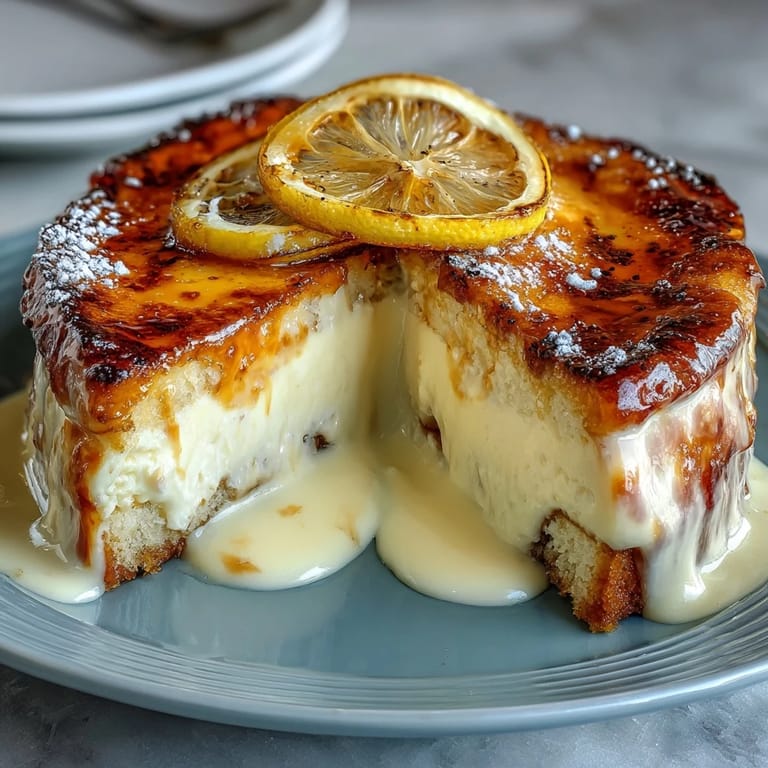
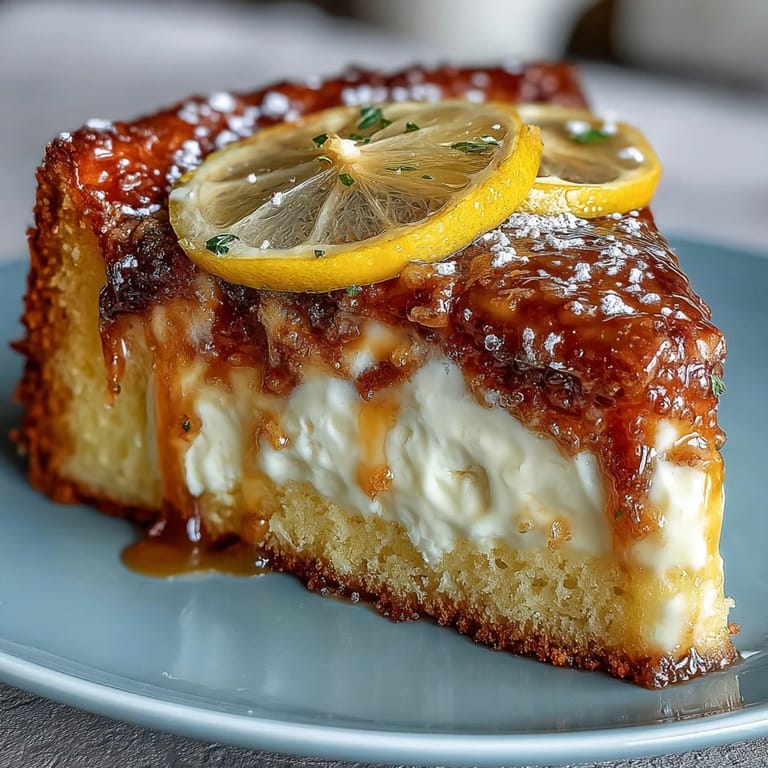
- Just before serving, dust the top with powdered sugar using a fine sieve for an even, elegant coating. Add thin lemon slices, fresh berries, or a few mint leaves if you want to make it even more stunning.
 Save
Save There's a moment I always get when serving this tart where people take their first bite and their eyes light up, and they reach for more before they've even swallowed. It's such a small thing, but it reminds me that cooking is really about creating little moments of joy, one crisp, buttery, lemon-bright bite at a time.
The Magic of Cold Ingredients
I used to think people were being dramatic about keeping everything cold, until one afternoon my kitchen was particularly warm and my butter started getting soft. The crust turned out dense and tough instead of flaky and tender, and I realized that temperature really does matter. Now I chill my bowl, my blade, even my flour if I have time, and the difference is instantly noticeable.
Why Fresh Lemon Juice Changes Everything
There's a complexity in freshly squeezed lemon juice that bottled can never quite capture—it has brightness, yes, but also depth and a certain mellowness that makes the filling taste sophisticated rather than harshly sour. I started juicing my own lemons for this tart, and people actually started asking what the secret ingredient was, which made me smile.
Serving Suggestions and Storage
This tart is at its most beautiful served straight from the refrigerator, maybe with a dollop of crème fraîche or freshly whipped cream on the side. A glass of chilled Sauternes or even a crisp sparkling wine alongside is genuinely the way to go if you're feeling celebratory.
- Store leftover tart in the refrigerator for up to three days, covered loosely so the crust doesn't absorb too much moisture.
- You can make the crust a day ahead and refrigerate it wrapped in plastic, or even freeze it for up to a month if life gets busy.
- The filling can be made several hours in advance and kept covered in the refrigerator until you're ready to pour and bake.
 Save
Save This tart has become my answer to almost every spring dinner party, brunch, or moment when I want to feel like I've created something truly special. Once you've made it once, you'll understand why.
Recipe Help & FAQs
- → How do I ensure a crisp shortcrust pastry?
Use cold, cubed butter and pulse quickly with flour to keep the mixture crumbly. Chill the dough before rolling to reduce shrinkage and maintain crispness.
- → What gives the filling its bright lemon flavor?
Freshly squeezed lemon juice combined with finely grated lemon zest provides intense citrus brightness throughout the filling.
- → Can I substitute any ingredients in the filling?
Yes, blood orange or lime juice can replace part of the lemon juice for a flavor twist, and adjusting sugar levels changes sweetness accordingly.
- → Why chill the tart before serving?
Chilling allows the filling to set fully, increasing firmness and enhancing the balance of flavors.
- → What tools help make this tart easier?
A food processor speeds up dough mixing, while a tart pan with removable bottom simplifies removal and presentation.