 Save
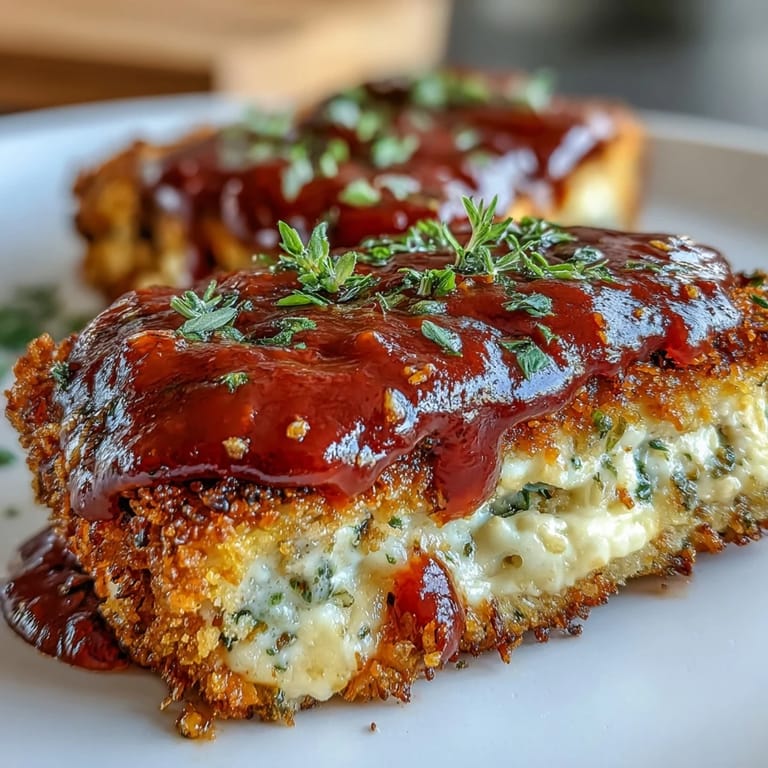
Save A friend called me last Tuesday asking if I could veganize chicken parm for her dinner party, and honestly, I almost laughed—until I remembered the block of extra-firm tofu sitting in my fridge. Three hours later, golden slices emerged from the oven crackling with crispy Asiago, bubbling with mozzarella, and I realized this wasn't a compromise at all. It was something entirely its own, somehow better than what I'd been making for years. The table got quiet when plates landed, and that silence told me everything.
I made this for my partner after they mentioned missing something crunchy and satisfying, and watching them cut into that first piece—hearing the breading crackle—made me understand why people love cooking for others. They went quiet for a moment, took another bite, and asked me to write down what I did. That's when I knew the recipe was worth keeping.
Ingredients
- Extra-firm tofu (2 blocks, 16 oz each): The foundation of everything—you need the extra-firm kind or your cutlets will fall apart during frying, trust me on this one.
- All-purpose flour (½ cup): Creates the first barrier that helps the egg adhere, so don't skip it even though it feels redundant.
- Beaten eggs (2 large): This is your glue between the flour and breadcrumbs, making sure nothing slides off during that hot oil encounter.
- Panko breadcrumbs (1 cup): Regular breadcrumbs get too dense; panko stays airy and gives you that shattering crispness.
- Asiago cheese (½ cup grated): The salty, slightly nutty character that separates this from generic parm—it's worth seeking out instead of defaulting to Parmesan.
- Dried oregano (1 tsp): Added to the breading so every surface tastes intentional and Italian.
- Garlic powder, salt & pepper (½ tsp, ½ tsp, ¼ tsp): Season the breading itself, not just the finished dish.
- Olive oil (2 tbsp): For frying; use a neutral oil if you prefer, though olive adds a subtle warmth.
- Marinara sauce (2 cups): Your choice here—homemade tastes incredible, but a good store-bought version won't betray you.
- Mozzarella cheese (1½ cups shredded): The melty, bubbly topping that does most of the emotional work.
- Parmesan cheese (¼ cup, optional): Extra layer of savory depth if you want to gild the lily.
- Fresh basil: Wait until the very end to add this—it bruises easily and tastes brighter when it hasn't been anywhere near heat.
Tired of Takeout? 🥡
Get 10 meals you can make faster than delivery arrives. Seriously.
One email. No spam. Unsubscribe anytime.
Instructions
- Press the tofu until it stops being weepy:
- Wrap each block in paper towels, set them on a plate, and weight them down with something heavy for at least twenty minutes—I use a cast iron skillet. You're extracting moisture so your cutlets fry crispy instead of steaming.
- Slice it into ½-inch thick cutlets:
- Use a sharp chef's knife and don't press too hard—a gentle sawing motion lets you control the thickness and keeps the slices intact.
- Set up your breading station:
- Three shallow bowls lined up left to right: flour in the first, beaten eggs in the second, and a mixture of panko, Asiago, oregano, garlic powder, salt, and pepper in the third. This assembly line takes seconds but saves your hands from chaos.
- Bread each slice with intention:
- Flour first, then dip in egg until fully coated, then press firmly into the panko mixture—flip and coat the other side. The pressure matters because you want crumbs sticking, not sliding off.
- Fry until the outside shatters:
- Heat your skillet over medium heat with olive oil until it shimmers. Fry tofu in batches without crowding—you want to hear it sizzle, not steam—about two to three minutes per side until you see deep golden-brown edges. Transfer to your parchment-lined baking sheet as you go.
- Build the final form:
- Spoon marinara sauce over each golden slice, then top with mozzarella and a light dusting of Parmesan if using. Don't be stingy with the cheese.
- Bake until the top bubbles:
- Fifteen to eighteen minutes in a 400°F oven, and you'll see the edges starting to brown slightly and the cheese getting molten. That's your cue to pull it out.
- Finish with brightness:
- Fresh basil leaves scattered across the top right before serving—it wilts slightly from residual heat but stays vibrant.
 Save
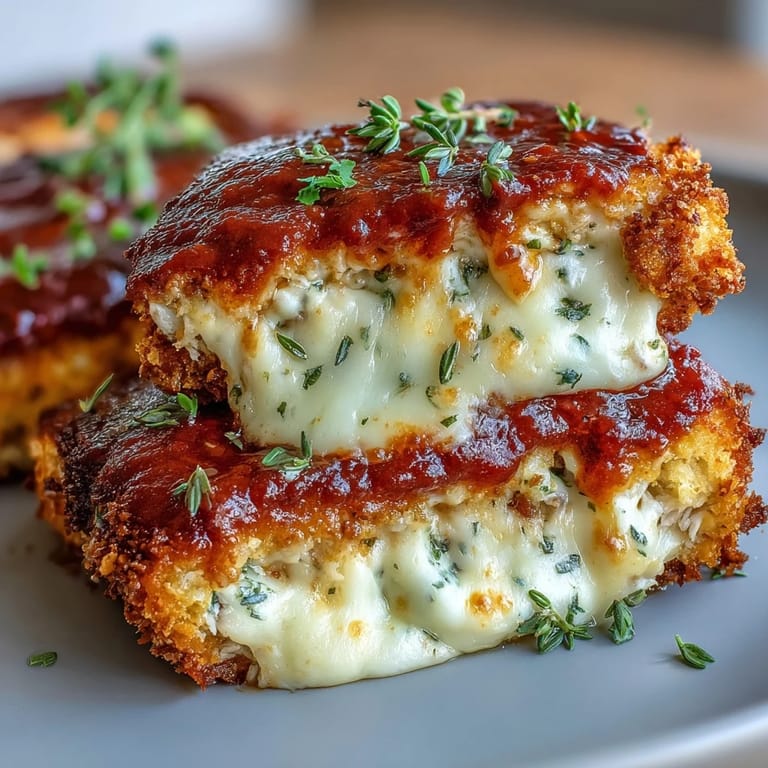
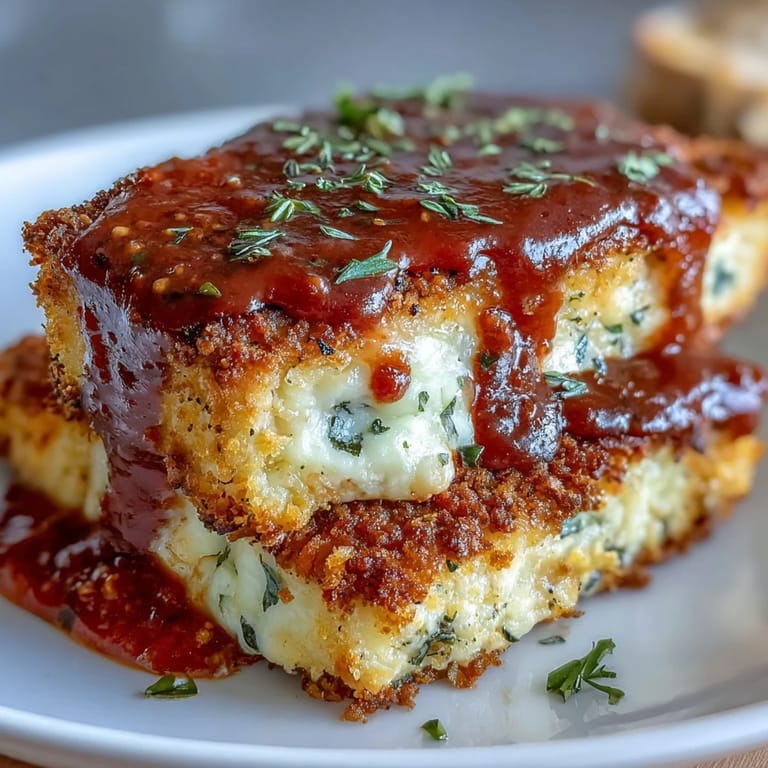
Save There's a moment when you pull these out of the oven and the cheese is doing that perfect bubble-and-brown thing, the kitchen smells like garlic and melted mozzarella, and suddenly you're not thinking about what's missing from the plate—you're just grateful for what's there. Food like this reminds me that vegetarian cooking isn't about substituting or making do; it's about discovering something delicious on its own terms.
The Tofu Secret Nobody Talks About
Most people overcomplicate tofu by treating it like it needs to taste like meat, but pressed tofu with a crispy exterior doesn't pretend to be anything other than what it is—a neutral canvas that becomes absolutely magnificent when you give it texture and flavor. The breading and frying step is where the transformation happens, and honestly, that crackling sound when you bite into it is half the pleasure. Once you nail that part, everything else is just assembly.
Serving Suggestions That Actually Work
I've served this over spaghetti, next to a simple arugula salad dressed with lemon and olive oil, and even as a sandwich squished between two pieces of crispy bread. Each version works because the tofu cutlet itself is sturdy enough to handle different roles. The marinara sauce is your backbone—if you make homemade sauce, your dinner tastes like you spent hours cooking even though you didn't, and nobody will question that narrative.
Variations and Swaps You Can Actually Pull Off
Asiago is the star here, but Parmesan works if that's what you have—the flavor just softens slightly and the dish becomes more traditional. Add red pepper flakes to the sauce if you like heat, or stir them into the marinara before spooning it over the cutlets. For a completely vegan version, aquafaba (the liquid from canned chickpeas) works surprisingly well as an egg substitute, and dairy-free mozzarella has gotten good enough that most people won't notice.
- Try mixing a pinch of Italian seasoning into the panko if you want more herbal depth without making the coating muddy.
- Some people add a thin layer of ricotta under the mozzarella, and it creates this creamy middle layer that's honestly next-level.
- If your marinara tastes acidic, stir in a pinch of baking soda to balance it before spooning over the tofu.
 Save
Save This dish tastes like care, even when you're moving fast, and that's the whole point. Come back to it whenever you want to prove to someone (or yourself) that good food doesn't need apologies or explanations.
Recipe Help & FAQs
- → How do I press tofu properly?
Wrap drained tofu blocks in clean kitchen towels or paper towels, place between two cutting boards, and weight the top board with heavy cans or a skillet. Let press for 20-30 minutes to remove excess moisture, which helps the breading adhere and prevents sogginess during cooking.
- → Can I make this dish vegan?
Absolutely. Replace the beaten eggs with your preferred plant-based egg substitute or a mixture of flaxseed meal and water. Use vegan mozzarella shreds and nutritional yeast or vegan Parmesan in place of the dairy cheeses. The breading and frying technique remains the same.
- → What can I serve with tofu parmesan?
Classic pairings include spaghetti tossed with olive oil and garlic, buttered noodles, or a simple green salad with vinaigrette. Roasted vegetables like broccoli or zucchini also complement the rich, cheesy flavors beautifully. Crusty garlic bread makes an excellent side for soaking up extra marinara.
- → How do I store and reheat leftovers?
Store cooled leftovers in an airtight container in the refrigerator for up to 3 days. Reheat in a 375°F oven for 10-15 minutes until heated through and crispy again. Avoid microwaving, as the breading will become soggy. For best results, freeze unbaked breaded cutlets separately, then bake fresh when needed.
- → Can I bake the cutlets without frying first?
While pan-frying creates the crispiest exterior, you can skip this step for a lighter version. After breading, arrange cutlets on the prepared baking sheet and spray generously with olive oil cooking spray. Bake at 400°F for 25-30 minutes, flipping halfway through, before adding sauce and cheese and returning to the oven for an additional 10-12 minutes.
- → What other cheeses work in this recipe?
Asiago provides a sharp, nutty flavor that pairs beautifully with the tofu, but you can substitute equal parts Parmesan, Pecorino Romano, or aged provolone. For the topping, provolone slices or fontina create exceptional melt. Stick to hard, aged cheeses in the breading for the best crunch and flavor penetration.