 Save
Save There's something magical about the moment jasmine rice meets coconut milk in a warm saucepan. I discovered this dish almost by accident one evening when I was short on side dishes for a Thai curry dinner and remembered a half-can of coconut milk in my pantry. The kitchen filled with this subtle, sweet aroma that made everyone pause mid-conversation to ask what I was cooking. It became the easiest way to transform ordinary rice into something that felt intentional and special.
I remember watching my sister taste this for the first time and actually close her eyes, genuinely surprised that something so simple could taste so complete. She'd been expecting something heavy, but the jasmine rice keeps it light and fluffy despite the coconut milk—it's one of those dishes that tastes far more complicated than it actually is.
Ingredients
- Jasmine rice (1 cup): The fine, slightly sticky grains are essential—they absorb the coconut milk without becoming mushy and release their own delicate fragrance that plays beautifully with the coconut.
- Coconut milk (1 cup, full-fat and unsweetened): Full-fat makes all the difference; light versions won't give you that creamy richness, so don't compromise here.
- Water (1 cup): This balances the coconut so the rice stays tender rather than becoming dense and heavy.
- Salt (½ teaspoon): A quiet anchor that keeps the sweetness from becoming cloying and brings out the jasmine's natural perfume.
- Sugar (1 teaspoon, optional): Add this only if you're serving with something savory that needs a subtle sweetness to complement it.
Tired of Takeout? 🥡
Get 10 meals you can make faster than delivery arrives. Seriously.
One email. No spam. Unsubscribe anytime.
Instructions
- Rinse Your Rice:
- Run the jasmine rice under cold water and swish it gently with your fingers until the water runs mostly clear—this removes the starchy coating that would otherwise make everything gummy and dull. It takes about a minute and changes everything.
- Combine Everything:
- Pour your rinsed rice into a medium saucepan with the coconut milk, water, salt, and sugar if you're using it. Give it a good stir so nothing settles on the bottom.
- Bring to a Boil:
- Set the heat to medium and let it come to a gentle boil, listening for that soft rolling sound and watching the liquid's surface shimmer. You'll see little steam wisps rising—that's when you know it's almost time to turn down the heat.
- Simmer Gently:
- Reduce the heat to low, cover with a tight-fitting lid, and set a timer for exactly 15 minutes. The rice will settle into a quiet, steady simmer where only the smallest bubbles escape around the edges.
- Rest and Absorb:
- After 15 minutes, remove the pan from heat and let it sit undisturbed with the lid on for another 10 minutes. This resting time is when the last bits of liquid get absorbed and the grains finish becoming tender.
- Fluff and Serve:
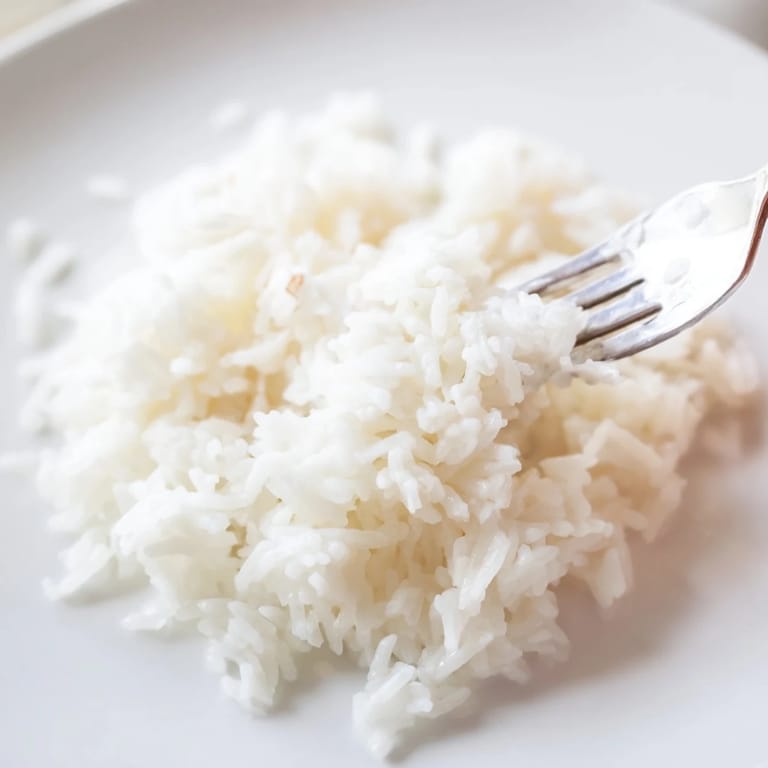
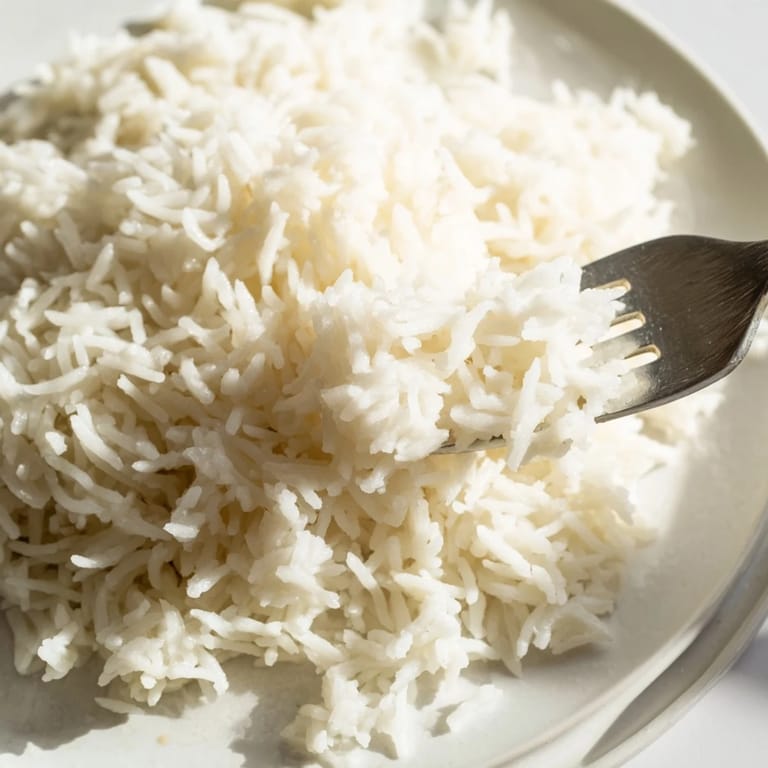
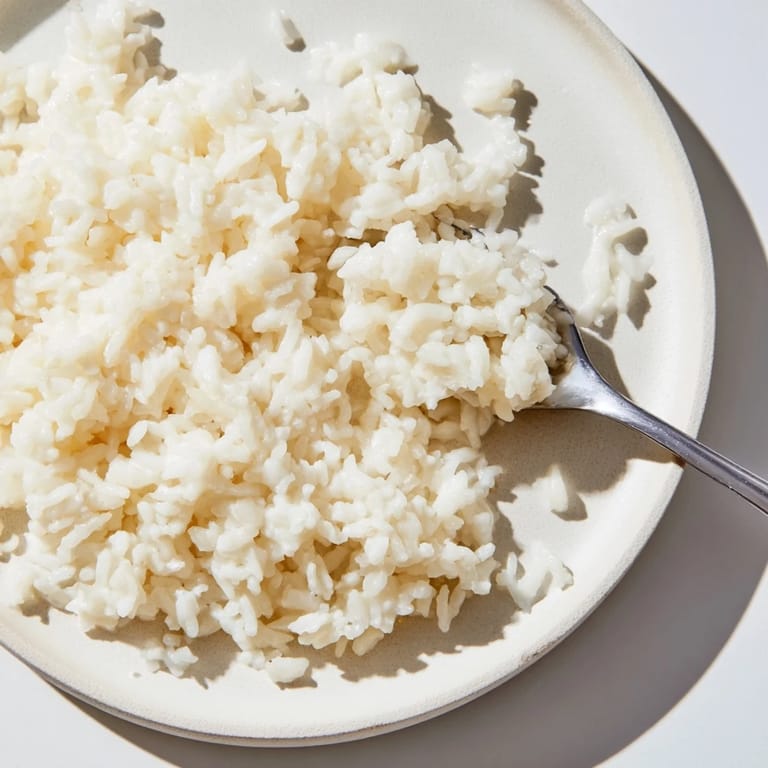
- Use a fork to gently separate the grains, letting air back into the rice so it stays light and fluffy. You'll immediately smell that coconut-jasmine aroma fill the kitchen again.
 Save
Save There was a moment during a family dinner when someone asked for seconds of the rice before they'd even finished the curry. That's when I realized this simple dish had quietly become the thing everyone remembered.
Flavor Variations Worth Trying
Once you've mastered the basic version, you can gently nudge the flavors in different directions. A small piece of fresh ginger simmered alongside the rice adds a warm, almost grounding note that's subtle but noticeable. Pandan leaves—if you can find them—give the rice a pale green tint and a flavor that's hard to describe but impossible to forget, slightly floral and distinctly Southeast Asian.
Pairing and Serving Ideas
This rice is at its best when it has something bold beside it to lean against. Thai green or red curry, grilled fish with a squeeze of lime, stir-fried vegetables with a touch of soy sauce—these are the dishes that make this coconut rice truly shine. Even something as simple as a quick pan-seared protein and a simple salad feels elevated when this rice is on the plate.
Making It Your Own
The beauty of this recipe is how forgiving it is, and how much room it leaves for your own kitchen instincts. Start here, taste it, and adjust the salt or sweetness next time if you want. You might find yourself reaching for this formula again and again.
- If you want richer, earthier coconut flavor, replace the cup of water with another cup of full-fat coconut milk.
- For a slight hint of warmth, add a pinch of cardamom or turmeric before cooking, though both should be used sparingly.
- Leftover rice refrigerates well for 3 days and can be quickly warmed in a saucepan with a splash of water.
 Save
Save Coconut jasmine rice is proof that sometimes the most memorable dishes are the ones that take almost no effort. Serve it warm, and watch how something so simple becomes the one everyone asks you to make again.
Recipe Help & FAQs
- → How do I prevent jasmine rice from sticking?
Rinse the rice under cold water until clear and avoid stirring while simmering. Let it rest covered after cooking to allow moisture absorption.
- → Can I use light coconut milk instead of full-fat?
Yes, light coconut milk can be used but may result in a less creamy texture and flavor.
- → What can I add for extra aroma during cooking?
Add pandan leaves or a small piece of ginger to the pot and remove before serving for enhanced fragrance.
- → Is this suitable for vegan and gluten-free diets?
Yes, jasmine rice and coconut milk are naturally gluten-free and vegan, making this side suitable for both diets.
- → Can I substitute water with more coconut milk?
Replacing water with additional coconut milk creates a richer, creamier texture and deeper flavor.