 Save
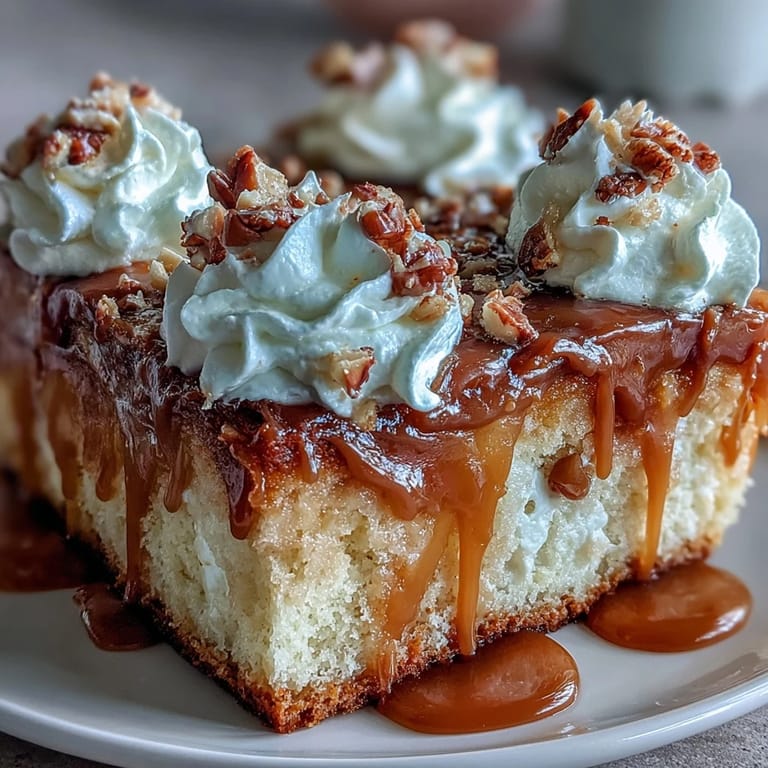
Save Sometimes my kitchen smells like autumn on purpose, and it’s usually because of this Apple Cider Caramel Poke Cake. One blustery afternoon after buying a jug of fresh cider at the farmer’s market, I started tinkering with ways to put that tangy sweetness into a dessert. Mixing the tartness of apple cider with silky caramel and a soft cake base was the experiment that finally stuck. There’s something about poking holes in a warm cake and watching caramel disappear that never stops feeling a bit magical. Every time I make it, the kitchen feels especially welcoming—like an invitation to linger longer at the table.
I brought this cake to a potluck bonfire once, and just cutting into its caramel-soaked layers had folks flocking from every corner of the yard. Serving it on paper plates, laughing with friends while the wind picked up the scent of cinnamon, is a memory firmly woven into my autumns now. More than one person quietly asked for the recipe, and I smiled every time at their caramel-smeared grins. It’s proven both crowd-pleasing and comfort-inducing, no matter how chilly the evening. There’s always just enough left for breakfast the next morning, too.
Ingredients
- All-purpose flour: This forms the sturdy base, giving structure without making the cake heavy—just be sure to spoon and level into the cup for the fluffiest results.
- Baking powder & baking soda: Two leaveners help the cake rise high and stay tender, especially with the extra moisture from cider.
- Salt: Even sweet things need a hint of salt to help the other flavors shine through, so don’t skip it.
- Ground cinnamon & ground nutmeg: They add the unmistakable warmth that lets you know autumn is in the oven; use fresh spices if you can, the aroma is worth it.
- Unsalted butter, softened: Creaming this with sugar makes each bite velvety—set it out early for best results.
- Granulated sugar: Sweetens the cake and helps it brown just right; I’ve tried it with less, but full sugar wins.
- Large eggs: Bind everything together—crack them into a separate bowl first in case you get a rogue shell.
- Vanilla extract: The splash of vanilla rounds out every flavor in the cake; don’t settle for imitation.
- Apple cider: The star ingredient—choose cloudy, fresh cider if you can for deepest apple flavor, and bring it to room temp so it blends smoothly.
- Sour cream: Adds moisture and a slight tang that balances the caramel and cider perfectly; full fat gives the best texture.
- Caramel sauce (store-bought or homemade): Rich caramel seeps into the cake’s holes, making every bite decadent—warm it slightly to help it pour smoothly.
- Whipped cream (homemade or store-bought): A cloud of cream on top cuts the sweetness and makes it spoonable; soft peaks hold up best.
- Toffee bits or chopped caramel candies (optional): A crunchy finish for those who like their cake with a little extra surprise.
- Ground cinnamon (optional): A final dusting on top brings everything together visually and taste-wise—especially pretty when serving guests.
Tired of Takeout? 🥡
Get 10 meals you can make faster than delivery arrives. Seriously.
One email. No spam. Unsubscribe anytime.
Instructions
- Prep your pan:
- Start by greasing a 9x13-inch baking dish and letting your oven preheat to 350°F—it’s always worth giving it a little extra time to get just right.
- Mix the dry team:
- Whisk together the flour, baking powder, baking soda, salt, cinnamon, and nutmeg in a medium bowl, and take a second to enjoy the autumny scent wafting up.
- Cream the base:
- In a big bowl, beat your softened butter and sugar until it looks pillowy and pale; it’ll look almost like vanilla ice cream when you’re ready for the next step.
- Add eggs and vanilla:
- Break the eggs in one at a time, mixing in between, then pour in vanilla—watch how the batter turns silky.
- Bring in cider and sour cream:
- Add the apple cider and sour cream, mixing slowly; expect a fragrant, creamy batter (it might look a little curdled, that’s fine).
- Combine everything:
- Gradually fold in the dry mixture just until blended—overmixing is the enemy of tenderness here.
- Bake your cake:
- Pour the batter into the prepared dish, smooth the top, and slide it into the oven for 30–35 minutes; you’ll know it’s ready when a toothpick comes out mostly clean and the kitchen smells amazing.
- Poke, don’t prod:
- After about 10 minutes of cooling, gently poke holes with the handle of a wooden spoon—space them evenly for the most caramel soaking.
- Bathed in caramel:
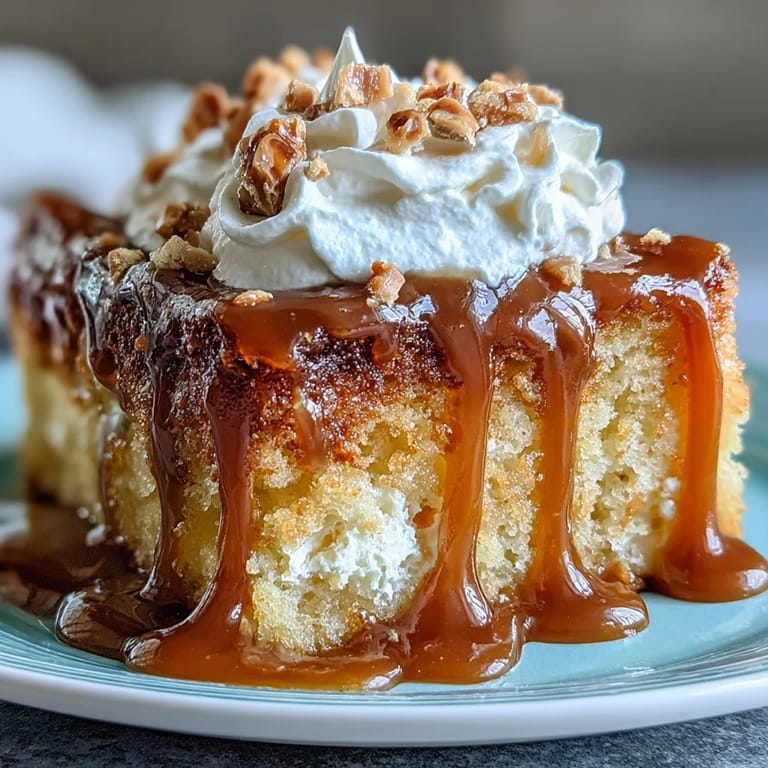
- Mix the caramel sauce with a splash of cider, then drizzle it all over the cake, focusing on those holes; watch as it disappears into the cake like a sweet little trick.
- Cool and finish:
- Let the cake cool completely, then slather with whipped cream, finishing with toffee bits and a dust of cinnamon if you’re feeling festive.
- Serve it up:
- This cake is luscious chilled or at room temp—either way, slice generously and don’t be shy with seconds.
 Save
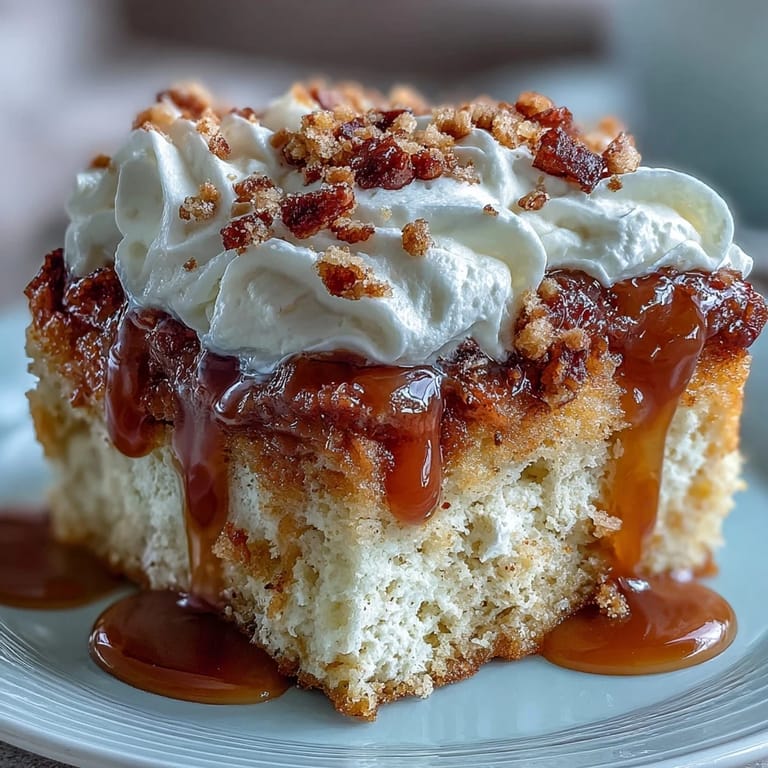
Save I’ll never forget sharing this cake during an unexpected power outage; the only light was from candles but that first bite of cold, caramel-laced cake had everyone forgetting the darkness. Sometimes, dessert really can turn an ordinary evening into something a little more magical and memorable. It’s the dish that made me realize how much food can brighten a mood, even when the lights go out.
Fine-tuning Your Caramel Swirl
I used to pour the caramel on a cooled cake, but I found out the secret is warmth; warm cake hungry for sauce soaks up every drop. Swirling the caramel with a fork as it seeps in creates marbled magic when you slice—don’t stress about perfection, uneven spots are the best bites. If you use homemade caramel, add just a touch more cider for a looser consistency. Some folks even swirl a bit of cinnamon into the caramel for spice that pops in every forkful. This is your moment to make it messy and memorable.
Making It Ahead (and Loving It Cold)
People always ask if they can make this cake ahead—I always say yes, and honestly think it’s even better the second day. The caramel sinks deeper, the flavors meld, and a cold slice with morning coffee is dangerously good. Just keep it tightly covered in the fridge, and add whipped cream before serving. If you’re feeling extra, serve with a scoop of ice cream for more drama. Don’t tell anyone, but sometimes breakfast is just a thinly sliced wedge of leftover cake.
Serving and Storing Secrets
The cake is at its best after a little chill, but it won’t mind hanging out at room temperature for a few hours if you’re serving a crowd. I like to assemble everything but the whipped cream ahead of time—then swirl it on just before bringing the cake to the table. Clean slices come more easily if you wipe the knife with a warm, damp cloth between cuts. For storing leftovers, cover the cake with foil or plastic wrap and keep it in the fridge for up to three days.
- Don’t slice until you’re ready to serve to keep it moist.
- A sprinkle of flaky salt on top can add a grown-up touch.
- If you spot caramel pooling at the bottom, just spoon it over each slice for extra goodness.
 Save
Save This Apple Cider Caramel Poke Cake has become my shortcut to making autumn feel a little sweeter—no leaf piles required. Share a slice and let the flavors do all the work; sometimes, the simplest desserts are the ones we keep coming back to.
Recipe Help & FAQs
- → How do I ensure the cake remains moist?
Incorporate apple cider and sour cream into the batter and allow the caramel mixture to soak in; this keeps the crumb tender and flavorful.
- → Can I use homemade caramel sauce?
Yes, homemade caramel sauce works wonderfully and allows you to control sweetness and texture.
- → What is the purpose of poking holes in the cake?
Poking holes allows the caramel and cider mixture to penetrate deeply, enhancing moisture and adding rich flavor throughout.
- → Is it possible to prepare this dessert in advance?
Absolutely, it can be made a day ahead and refrigerated to meld flavors and improve texture.
- → What toppings complement this cake best?
Whipped cream provides a creamy contrast while toffee bits and a sprinkle of cinnamon add texture and warmth.